
The Asian Development Bank (ADB) has officially approved $500 million in contingent disaster financing for Pakistan, a strategic move designed to bolster the country's capacity to respond to natural disasters and mitigate their severe economic and fiscal impacts. This financing, sanctioned under the bank's policy-based lending framework, is structured to provide immediate budgetary support following the occurrence of eligible disaster events, ensuring that the government has the necessary liquidity to act swiftly.
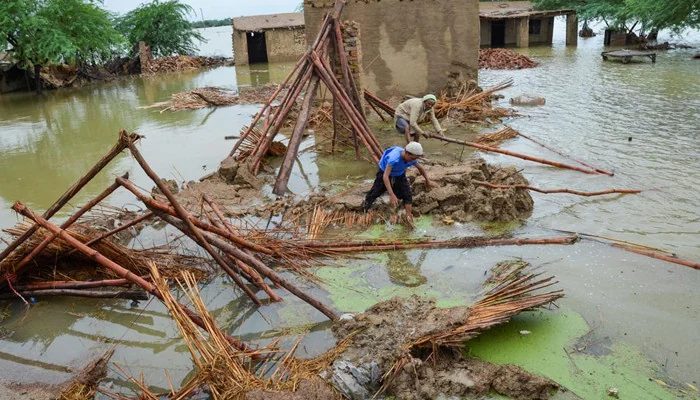
According to the latest assessments by the ADB, Pakistan remains highly vulnerable to climate-induced shocks, facing estimated average annual losses of $2 billion due to recurring floods, earthquakes, and other natural calamities. The catastrophic floods of 2022 serve as a stark reminder of these risks, having caused $14.9 billion in direct physical damage and an additional $15.2 billion in broader economic losses, which collectively pushed approximately 9.1 million people into poverty.
The bank highlighted that poor and rural communities often lack the institutional and financial capacity to recover from such large-scale events. Furthermore, data indicates that women and girls are disproportionately affected during these crises, facing heightened risks to their health, safety, and economic stability.
Addressing these vulnerabilities is a core objective of the ongoing financial intervention. The second subprogramme of the Climate and Disaster Resilience Enhancement Program is specifically designed to support structural reforms aimed at strengthening disaster preparedness and risk management across Pakistan.
By institutionalizing these changes, the government aims to create a more robust defense mechanism against future environmental threats. The initiative also seeks to integrate resilience measures directly into the country's national development planning.
This involves strengthening the disaster risk financing framework and improving the availability of funds immediately post-disaster, which is critical for rapid recovery efforts. "When disaster strikes, it is often the most vulnerable communities that are hit hardest.
Investing in preparedness can help protect lives and livelihoods, reduce economic losses, and safeguard the development gains Pakistan has worked hard to achieve," said ADB Country Director for Pakistan Emma Fan. She emphasized that the programme would provide essential support to Pakistan in implementing long-term reforms to build resilience against future climate-related challenges.
This financial package represents a significant step in Pakistan's efforts to align its economic policies with climate adaptation strategies. By securing this funding, the government aims to reduce its reliance on emergency borrowing during crises and instead utilize a pre-approved, structured financial mechanism that allows for more predictable and efficient resource allocation.
The ADB remains committed to working closely with the Pakistani authorities to ensure that these funds are utilized effectively. The focus will remain on enhancing infrastructure resilience, improving early warning systems, and fostering community-level preparedness to ensure that the nation is better equipped to handle the increasing frequency of climate-related disasters in the coming years.