
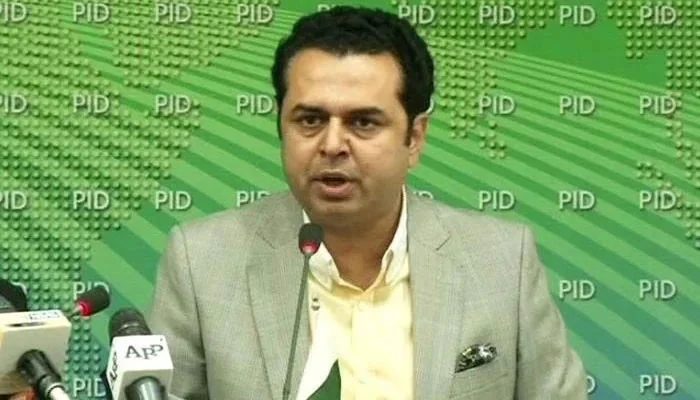
Talal Chaudhry unveiled fresh intelligence linking the Joint Action Committee in Azad Jammu and Kashmir to Afghan militant groups, warning Islamabad would clamp down on the network.
- Talal Chaudhry presented new evidence connecting JAC to Afghan militants.
- Three suspects · Zia, Akbar, and Zarshad · were named for weapons smuggling.
- Arrests were made of Waqar Hameed, Muhammad Ali, and Ammar Sohail inside Kashmir.
Intelligence Findings
On Tuesday, the Minister of State for Interior addressed his third press conference on the issue after briefings in September and October 2026. He described fresh audio‑visual evidence that linked the proscribed Joint Action Committee to militant groups operating out of Afghanistan. He warned that the state would no longer show leniency toward attempts to transform a public‑rights campaign into an armed insurgency.
Key Operatives
Chaudhry identified three suspects in the smuggling network. Zarshad smuggled weapons from Afghanistan to border areas. Akbar, a government employee, used his official position as cover to transport the arms inland. Zia, who had been involved for eight years, communicated with Majid, a personal assistant to Sardar Aman, to coordinate shipments on Aman's behalf. Further investigations led to the arrest of Waqar Hameed, Muhammad Ali, and Ammar Sohail for receiving weapon consignments inside Kashmir, along with associate Nazim.
He also named Imtiaz Aslam, a core committee member of the proscribed group, as a central link between Sardar Aman, Khawaja Mehran, field operatives, and an Afghanistan‑based handler named Shahzad. Chaudhry played two audio recordings attributed to Aslam and a video profiling Shahzad, describing him as a Kashmir‑born operative affiliated with the Khwarij and multiple extremist outfits responsible for recruitment and operational planning.
Government Response
Chaudhry questioned the motives behind the escalating unrest, noting that 37 of the movement's 38 original demands had already been fulfilled. He accused Afghanistan‑based militant groups of supplying weapons, training, and funding to hijack the platform, and alleged that India was backing proxies to target vulnerable areas after failing to confront Pakistan directly. According to the minister, violent incidents involved quadcopters, automatic weapons, sniper rifles, and foreign shooters brought into the region. He added that funds were solicited both domestically and abroad under the guise of advocating for public rights.
He emphasized that security forces had exercised restraint until planned armed attacks martyred several officers and soldiers. Chaudhry said disruptions to schools, businesses, and daily life left the state with no choice but to intervene. He warned that individuals glorifying the proscribed organization on social media would face the same legal consequences as those participating in armed violence.