
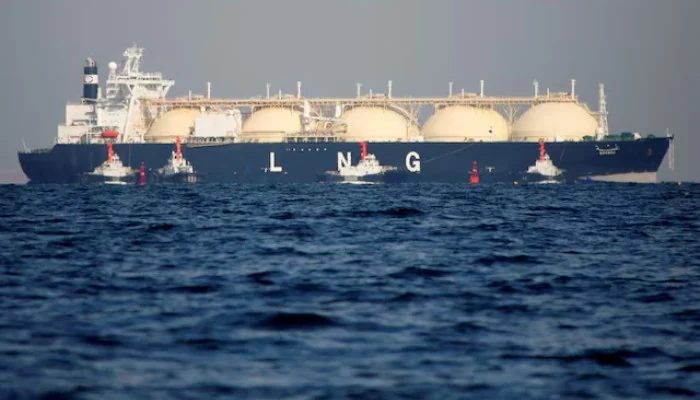
Pakistan received a second Qatari LNG cargo at the Engro Elengy Terminal on Friday, Nov. 27, as the government accelerated winter fuel preparations.
- Al Mashabiyyah berthed at Engro Elengy Terminal.
- Pakistan negotiated four LNG cargoes for December and six for January.
- PLL announced it would invite bids for two spot cargoes on Nov. 30.
Winter Supply Strategy
A senior official of the Petroleum Division confirmed that the vessel Al Mashabiyyah arrived on schedule and began discharging its cargo on Nov. 27. The arrival marked Pakistan's second LNG shipment from Qatar in November, following the Al‑Daayen vessel that docked at the Pakistan GasPort Limited terminal on Nov. 15. The government said it had negotiated with Qatar to secure four additional cargoes in December and six more in January to meet the expected surge in winter energy demand.
Pakistan LNG Limited prepared to invite bids from international LNG traders on Nov. 30 for two spot cargoes. The first spot shipment was targeted for delivery on Dec. 14‑15, and the second was expected on Dec. 25‑26. These procurements aimed to supplement the regular cargoes and ensure a steady supply throughout the peak months.
Domestic Gas Demand
Analysts projected that domestic gas consumption would rise sharply in the weeks ahead. In Punjab and Khyber Pakhtunkhwa, demand across the Sui Northern Gas Pipelines Limited network was expected to climb from around 500 mmcfd to 1,500 mmcfd. In the Sui Southern Gas Company network, which serves Sindh and Balochistan, demand was forecast to increase from roughly 300 mmcfd to between 500 and 600 mmcfd.
Because the country's gas supplies were under pressure, consumers currently received natural gas only during designated cooking hours. To divert more gas to households during the winter, the government planned to suspend 35 mmcfd of supply to the compressed natural gas sector in December and January.
Sectoral Allocation
The power sector continued to receive 163 million cubic feet per day of regasified LNG for electricity generation. Meanwhile, the fertiliser sector was supplied with 91 mmcfd of gas. These allocations reflected the government's effort to balance industrial needs with the growing residential demand as winter approached.