
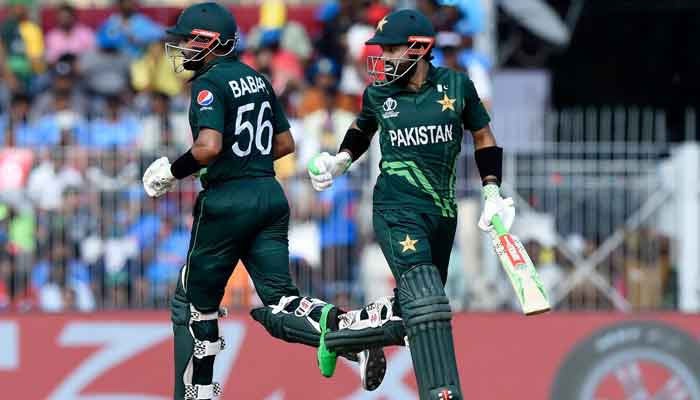
A detailed timeline of investigative reports and email correspondence obtained shows that while Babar Azam turned down a proposed PKR 250 million annual contract, Mohammad Rizwan also rejected a Rs 100 million offer from a surrogate gambling entity. In official communications sent through their management agency, the players maintained a firm stance: "As Muslims, we do not support any betting or surrogate betting brands."
More interestingly, during the Pakistan Super League (PSL), Rizwan, serving as captain of Multan Sultans, famously refused to display the logo of a surrogate betting sponsor on his playing kit. Industry sources confirmed that promotional digital campaigns utilized images of Rizwan and Babar against their explicit will. Rizwan's principled stance against surrogate betting entities put him at odds with administrative practices at a time when surrogate sports news platforms, later identified by the Ministry of Information and Broadcasting as illegal fronts for gambling operations, were being brought on board as key sponsors for domestic and international series.
Compounding this commercial friction, and despite a documented track record of opposing surrogate gambling entities, Rizwan found himself targeted in a late-night operation following the second Test at Lord's on August 31, 2026. The handling of Rizwan's personal mobile phone by the relevant institutions has raised critical legal questions surrounding basic rights, jurisdictional authority, and procedural compliance. The institutional bodies were formally contacted via official email channels along with direct outreach to a senior official with detailed questionnaires, seeking clarification on the legal basis of actions against Rizwan. However, no response was received from any entity.
According to a source close to the developments who spoke on the condition of anonymity, Rizwan was woken between 1:00 AM and 2:00 AM in his London hotel room on August 31, 2026, following the second Test at Lord's, and instructed to come downstairs with his personal mobile phone. The source said that several Pakistani officials were waiting in the lobby. Despite refusing multiple times and asking for specific allegations or reasons for the demand, Rizwan was given no clear answers. The source noted that he surrendered his private property only after he was asked to cooperate "for Pakistan" and promised the device would be returned shortly. Instead, the phone remained in official custody, was flown across international borders, and was transferred to a federal entity without Rizwan's informed consent or any established UK judicial authorization, the source added.
The source stated that while the central contract mandates that a player must fully cooperate with Pakistani or International Cricket Council (ICC) investigations, a duty to answer questions does not grant authority to confiscate and indefinitely retain personal private property. No receipt was issued when his personal phone was surrendered, adding that because the inquiry touches upon alleged online betting, gambling, and match-related leaks, international regulations also apply. According to the source, relevant Pakistani officials were bound by British jurisdiction, as the phone was seized in London rather than Pakistan. On September 10, Rizwan appeared at the relevant organization's office in Lahore, where he learned his phone was in official custody and that his financial records were being scrutinized.