
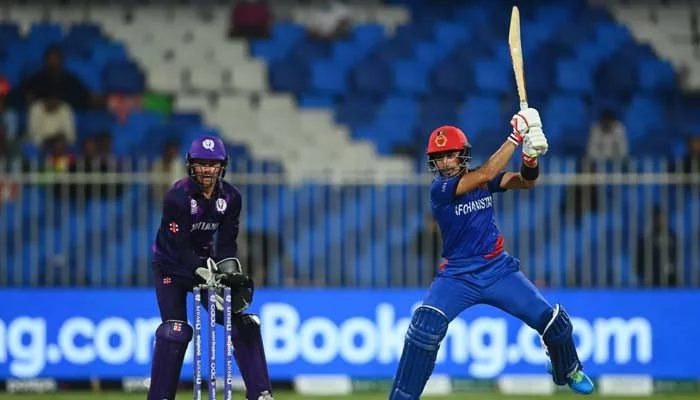
Cricket Scotland has announced it will not schedule bilateral matches against Afghanistan outside of International Cricket Council (ICC) events, citing concerns over the treatment of women and girls under the Taliban government and broader human rights issues. Women's sport has effectively disappeared in Afghanistan since the Taliban returned to power in 2021, while access to education and employment for women has been severely curtailed.
The Taliban regime maintains that it respects women's rights in accordance with its interpretation of religious law and local customs, asserting that such matters should be addressed internally. Scotland's move aligns with decisions by Cricket Australia and the England and Wales Cricket Board (ECB) to suspend bilateral ties with Afghanistan, which the ICC granted Full Member status in 2017.
Cricket Scotland stated the decision reflects its commitment to promoting women's and girls' participation in the sport and its stance on the humanitarian situation in Afghanistan. While Scotland has not faced Afghanistan in a full international match since the 2021 Twenty20 World Cup, the board noted that the Afghanistan Cricket Board (ACB) had requested training facilities in July ahead of their series against Ireland and again in September for the T20 Afghanistan Premier League.
Cricket Scotland clarified it would continue to honor contractual obligations to players and would issue No-Objection Certificates (NOCs) if the ICC grants the Afghan league official approval. The statement emphasized that issuing an NOC should not be interpreted as an endorsement of the current Afghan regime or its policies.
The international sporting community remains divided on how to engage with the Afghan cricket authorities. While the ICC continues to monitor the situation, the stance taken by Scotland, Australia, and England highlights the growing pressure on sports governing bodies to take a moral stand against the systematic exclusion of women from public life in Afghanistan.
The decision by Cricket Scotland is expected to have long-term implications for the development of cricket in the region. By isolating the Afghan cricket board from bilateral tours, these nations hope to send a clear message regarding the necessity of inclusive sporting policies.
However, the Afghan Cricket Board continues to lobby for international support, arguing that sports should remain separate from political and social governance. As the situation evolves, the global cricket fraternity will be watching closely to see if other member nations follow suit.
The balance between maintaining the integrity of international sports and upholding human rights remains a complex challenge for the ICC and its member boards.