
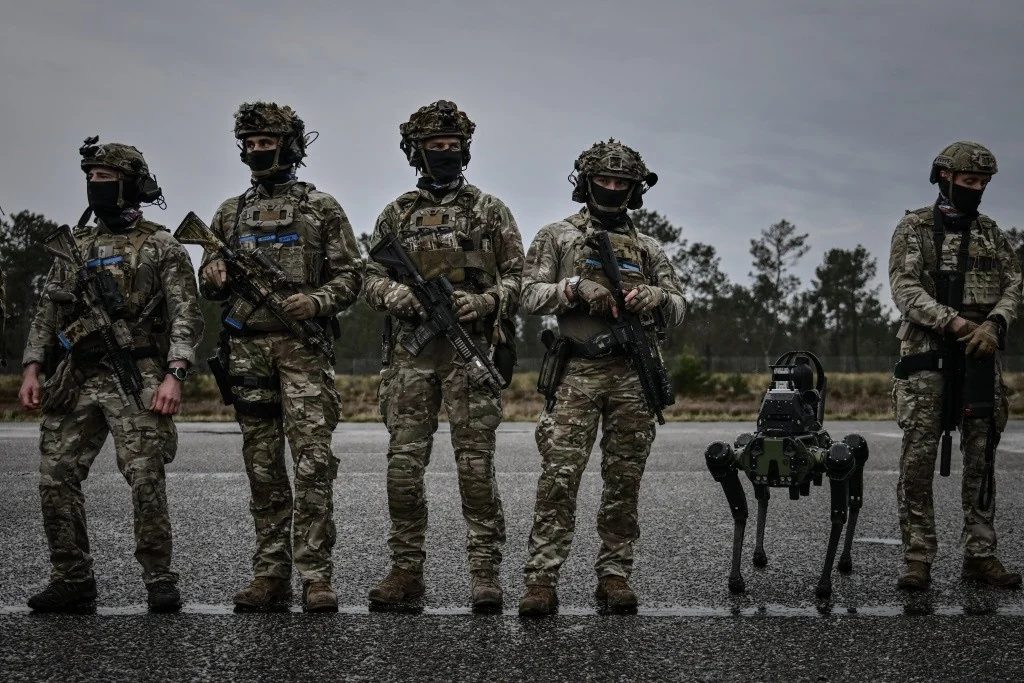
On Saturday, Geneva hosted the final session of the UN Convention on Certain Conventional Weapons, where states agreed to pursue new rules for lethal autonomous weapons within two years.
- Around 100 countries pushed for legally binding limits on "killer robots."
- The United States, Russia and Israel opposed binding rules, weakening the outcome.
- Diplomats pledged further talks after the conference closed past 4 am (0300 GMT).
Conference Concludes
The 128 member states of the Convention met from Monday to Saturday, raising alarm over the use of lethal autonomous weapons in Ukraine, Sudan and the Middle East. The talks ended past 4 am (0300 GMT) in Geneva, with a pledge to develop new rules within two years. The agreement was watered‑down after opposition from Russia, which fell short of rights groups' hopes for a binding protocol.
Proponents had called for legally binding rules within a short timeframe to regulate weapons systems that can identify and engage targets with varying degrees of autonomy. Around 100 countries backed this position, while the United States, Russia and Israel opposed binding measures. The result left open the question of whether future rules would be legally binding.
A diplomat who attended the talks said, "In the end, the military powers managed to impose many obstacles to the objective of a protocol, but at least it remains a possibility, and with a short‑term mandate." The statement reflected the compromise that emerged after intense negotiations.
Future Outlook
The UN Secretary‑General, the Pope and the Red Cross had all called for strong and legally binding rules. Their calls were echoed by the 100‑country coalition, but the final text did not commit to binding obligations. The agreement, however, preserves the possibility of a future protocol and sets a short‑term mandate for further discussions.
States will reconvene within two years to refine the rules. The outcome, while weakened by the opposition of major arms‑producing nations, keeps the dialogue alive and signals that the international community remains engaged on the regulation of lethal autonomous weapons.