
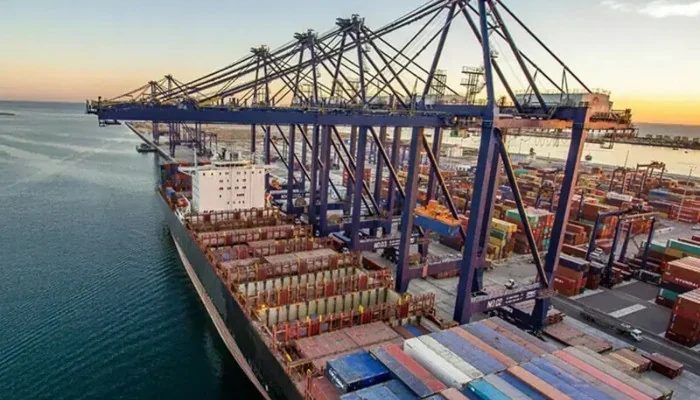
UN warned global seaborne trade would stall in 2026 due to simultaneous chokepoint disruptions.
- 12.3 billion tonnes of cargo moved by sea in 2025.
- Four critical chokepoints faced pressure in 2026.
- Small island economies suffered most from rising shipping costs.
Chokepoint Pressure
Four critical chokepoints · Strait of Hormuz, Red Sea, Black Sea and Panama Canal · faced simultaneous pressure in 2026, forcing the agency to project zero growth for that year and a 3.2 percent rebound in 2027.
Economic Impact
Acting Secretary‑General Pedro Manuel Moreno warned that rising shipping costs would ultimately be borne by consumers, but not equally.
Moreno cited attacks linked to the Iran‑US war that stalled oil and gas flows through the Strait of Hormuz. He noted that war‑risk premiums for a $100 million tanker jumped from about $200,000 to $1 million per voyage within days of the disruption.
Container lines added emergency war‑risk charges and fuel surcharges to cover higher operating costs. More than 80 percent of global trade travels by sea, Moreno said, and rerouting ships lengthens journeys and raises costs, especially for smaller economies.
UNCTAD data projected that miles travelled would increase by 1.5 percent in 2026, while trade volumes remained flat.
If the fuel shock continues into 2027, higher shipping costs alone could push consumer price inflation in least developed countries to almost twice the global average, Moreno warned.
Resilience Measures
Despite the challenges, South‑South container routes grew 12.1 percent last year, accounting for nearly one‑third of growth in containerised trade. Over the past two decades, least developed countries · most of them in Africa · improved their shipping connectivity three times faster than the rest of the world, the report added.
UNCTAD's Review of Maritime Transport urged vulnerable countries to build shared stocks of food staples and fuel, and to agree on alternative trade routes and customs procedures that would keep essential goods moving during disruptions.