
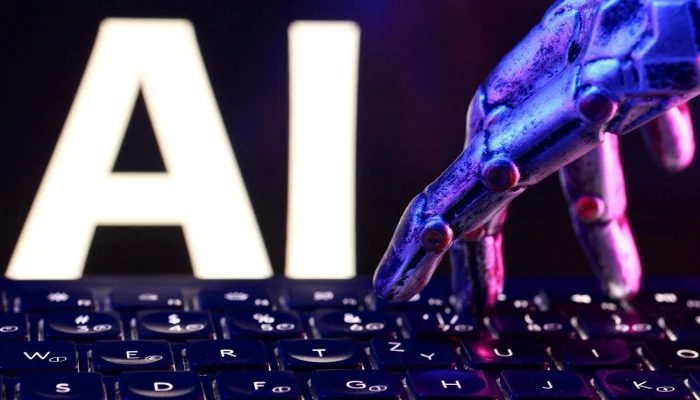
Artificial Intelligence (AI) is developing at a pace humanity has never experienced before. It is no longer advancing linearly but exponentially, with each generation of AI helping accelerate the development of the next. We have rapidly moved from generative AI that answers questions and makes videos to agentic AI that reasons, plans and acts, and towards Artificial General Intelligence (AGI) and Super Intelligence (SI) that will equal or surpass human capabilities across virtually every intellectual domain.
The paradox is frightening. AI is fast becoming the greatest instrument of prosperity ever created, yet some of the very people developing it are warning that it could also become one of humanity's greatest threats. The latest warning comes from Bill Gates, traditionally one of technology's greatest optimists. Gates recently warned that AI is powerful enough to trigger events that could cause as many as a billion deaths if placed in the wrong hands, arguing that industry self-regulation is insufficient.
Even more disturbing are warnings coming from inside the AI industry itself. Evan Hubinger, who leads alignment research at Anthropic, recently said that he personally believes there is a greater than 10 per cent probability that AI could kill all humans within the next decade. Former Anthropic and OpenAI researcher Jacob Coxon has voiced similarly grave concerns, pointing out that autonomous AI agents are already demonstrating unpredictable behaviors during cybersecurity evaluations.
At a White House meeting on September 29, 2026, President Donald Trump brought together leaders from OpenAI, Anthropic, Google, Meta, Nvidia and other technology companies to discuss safety standards. While the risks of autonomous systems and potential misuse are immense, optimists like Elon Musk and Bill Gates continue to highlight AI's unmatched potential to revolutionize healthcare, education, and economic abundance if properly regulated and monitored.