
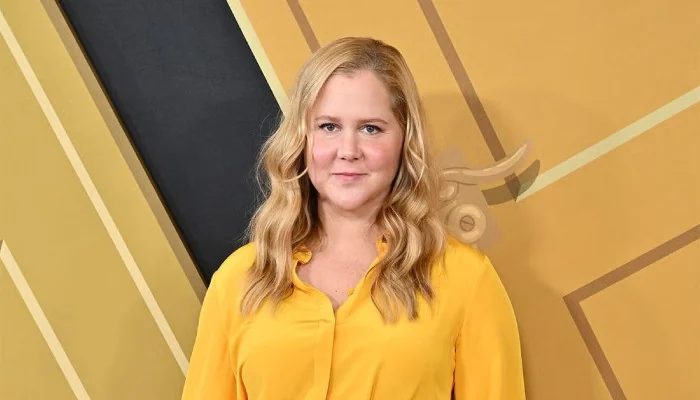
Amy Schumer has a question for the people designing animated movie moms - and she isn't exactly impressed with the results. The comedian called out the way maternal characters are portrayed in animated films, arguing that many look more like pin-up models than parents.
Her comments came after she shared footage of the mother character from 2017's The Son of Bigfoot on Instagram Stories. "Slightly short haircut = mom?" Her observation quickly caught the attention of directing duo Karni & Saul, who reposted her message and agreed with the criticism.
"Couldn't agree more," they wrote on Saturday, November 7. "Because men design and direct them.
Get women in here, and it all changes." Schumer, who shares son Gene with her ex-husband Chris Fischer, became a mother in 2019. The pair announced their separation in December 2025 after seven years of marriage, and their divorce was finalized last month.
The Trainwreck star has previously spoken candidly about motherhood, including her difficult childbirth experience and the support Fischer offered during her C-section. She has also shared how humor helps her through challenging periods.
"When things are the absolute worst is when my family is the funniest," she said in a December 2025 video with Noa Tishby. "And I think that's not unique to me." The discourse surrounding the representation of women in animation has gained significant traction in recent years.
Critics argue that the industry often relies on narrow beauty standards, even when depicting maternal figures who are meant to be relatable to audiences of all ages. Schumer's critique highlights a broader conversation about the lack of female representation in creative leadership roles within major animation studios.
By pointing out the visual tropes, she is challenging the status quo of character design. Fans and fellow industry professionals have largely supported her stance, noting that diverse perspectives in the writers' room and design studio are essential for authentic storytelling.
As the conversation continues, many hope that studios will take these observations to heart, leading to more realistic and varied portrayals of mothers on the big screen in the future.