
Matt Errico was sitting on the toilet when he heard noises in his Colorado home. The roofer got up and found two young bears about the size of golden retrievers standing in his hallway. After a staring match, they bolted out of the front door. Errico has had bears get into his garbage before, but the home invasion earlier this month was a first. "I've definitely never heard of bears inside, you know, cubs inside someone's house," Errico said of bear encounters in his small mountain town of Granby, about 57 miles (92km) northwest of Denver. The black bears, also spotted in a Granby vape shop, are among thousands heading into towns and cities across the US West in record numbers.
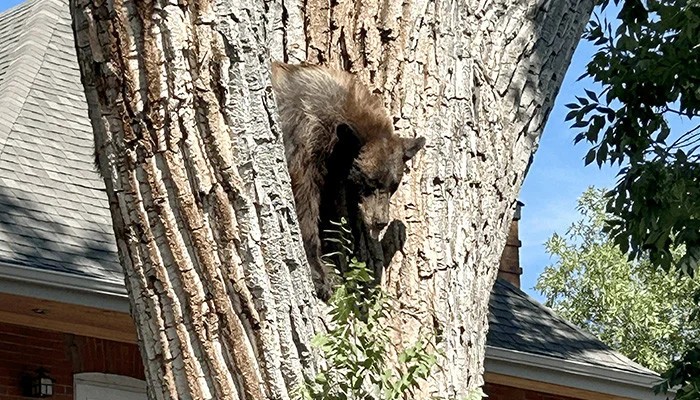
Bears have wandered near a school in Santa Fe, New Mexico, climbed a tree near a farmers market in Denver, and startled humans in other ways across the country after the driest winter in memory wiped out plants, grasses, berries, and nuts that form around 90% of their diet, according to bear experts and state wildlife agencies. The animals' incredible sense of smell is drawing them to human food.
That is leading to record bear deaths in some states as hundreds are euthanised, run over, shot, and even electrocuted as they interact with humans, according to wildlife agencies. With the West's aridification expected to continue, experts fear bears may become habituated to human food and even stop hibernating should winters become too warm and wild food too scarce. "It's like testing the bears in a way that they've never been tested before, and testing humans," black bear expert Jon Beckmann said.
Development has moved people into areas where bears used to forage for food. At the same time, bear populations have rebounded in states like Nevada, where they were largely wiped out over a century ago. Black bears are now the healthiest of the world's eight bear species, with between 17,000 and 20,000 in Colorado alone, according to state authorities.