
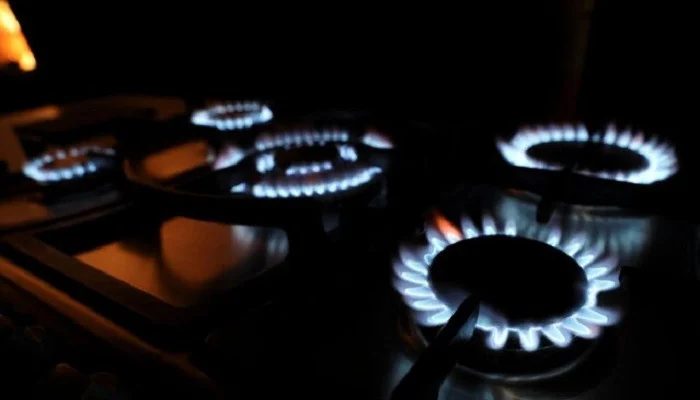
Pakistan's two major gas utilities, Sui Northern Gas Pipelines Limited (SNGPL) and Sui Southern Gas Company (SSGC), have approached the Oil and Gas Regulatory Authority (OGRA) to seek increases in their average prescribed gas prices for the current fiscal year, effective retrospectively from July 1.
In separate petitions submitted to the regulator, SNGPL has sought an increase of Rs10 per million British thermal units (MMBtu), proposing to raise its average prescribed price to Rs1,712.40 from the existing Rs1,702. SSGC, meanwhile, has requested an increase of Rs366.75 per MMBtu, seeking to raise its average prescribed price to Rs2,071.75 under the revised tariff petitions submitted for official review.
SNGPL has included Rs60.147 billion in liquefied natural gas (LNG) service costs in its proposed price structure, aiming to balance operational expenditures and infrastructure maintenance requirements. The company estimates the cost of LNG services at Rs471.16 per MMBtu, reflecting broader economic adjustments and fluctuations in supply chain overheads across the national transmission network.
In its petition, SNGPL stated that limited availability of locally produced gas during the winter would require additional arrangements to meet projected domestic and commercial demand. It estimates that 16 LNG cargoes would be needed during the upcoming winter season to maintain uninterrupted supplies and prevent severe shortfall scenarios across major urban centers.
Both companies cited an increase in international crude oil prices, arguing that higher global oil rates would inevitably push up the financial cost of imported gas and substitute fuels. The petitions come as Pakistan grapples with a persistent energy supply challenge, driven by declining domestic gas production, heavy reliance on imported LNG, and rising seasonal demand.
The country's indigenous gas output has been falling consistently as mature fields deplete, increasing the urgent need for imported supplies to bridge the growing gap between production and consumption. Growing dependence on LNG has also exposed Pakistan's energy sector to international price volatility, currency fluctuations, and unexpected supply chain disruptions in global markets.
The government is currently preparing a comprehensive winter gas management plan spanning November to February, under which domestic consumers would receive top priority in supply allocations. However, under the contingency framework, supplies to industry, captive power plants, fertilizer producers, and compressed natural gas (CNG) stations could be curtailed in the event of severe shortages.