
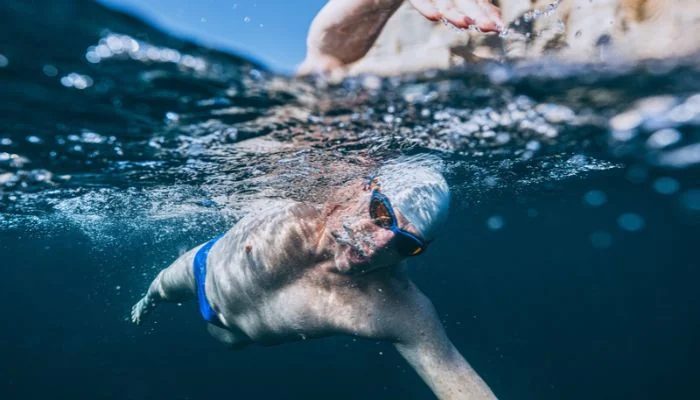
British endurance swimmer Lewis Pugh completed a 15-kilometre swim through the Strait of Hormuz on November 21, 2026, to highlight the environmental impact of the ongoing regional conflict.
- Pugh swam 15 kilometres from the Shinas Peninsula to Muscat Point over three days.
- Greenpeace satellite data identified 609 potential oil slicks in the region since February.
- The swimmer witnessed burning tankers and heard explosions during his three-day journey.
Pugh's Strait of Hormuz Swim
Lewis Pugh, who serves as a United Nations Patron of the Oceans, undertook the challenge wearing only trunks, goggles, and a cap. He began the route on Monday at the Shinas Peninsula in the north and finished at Muscat Point in the south. The swim faced immediate danger when two explosions occurred only four kilometres away from his position, forcing him to pause his progress. Fighter jets appeared shortly after the blasts, which compelled him to discontinue his attempt temporarily.
Pugh eventually returned to the water to finish the distance. During the swim, he observed a vessel engulfed in flames. He noted that the presence of dolphins and turtles in the area served as a reminder of the marine life at risk. "In the area, dolphins and turtles demonstrated what might be lost," Pugh said. He previously completed endurance swims in the Arctic and Antarctic, as well as a 507-kilometre swim along the Hudson River in 2023 to promote marine conservation.
Environmental Impact of Conflict
The Strait of Hormuz historically facilitated the transport of one-fifth of the world's traded oil. Beyond its strategic importance, the waterway contains significant coral reefs, mangroves, and seagrass beds. Greenpeace satellite monitoring identified more than 609 possible oil slicks across the Gulf, the Strait of Hormuz, and the Arabian Sea since the US-Israeli war with Iran began in February. Environmentalists warned that repeated contamination could cause lasting damage to wildlife, fisheries, and coastal communities long after the fighting concludes.
Pugh emphasized the urgency of addressing both the conflict and the resulting ecological damage. "We have to end the war," he stated. "We have to open up the strait, and we have to clean up the pollution." The swimmer remains focused on the long-term consequences of the conflict on the marine ecosystem, noting that the current situation threatens the biodiversity of the entire region.