Climate change disproportionately affects women in Pakistan, particularly those living in rural, mountainous, coastal and arid areas, owing to socio-economic deprivation and their greater dependence on agriculture, household work and natural resources, the National Assembly was informed on Friday.
Minister for Climate Change and Environmental Coordination Senator Musadik Masood Malik, in response to a written question by Musarrat Rafique Mahesar submitted to the National Assembly Secretariat, said extreme weather events, including floods, droughts, heatwaves and Glacial Lake Outburst Floods (GLOFs), had significantly increased risks to women's health, safety and livelihoods. He said heatwaves posed particular risks to women engaged in agriculture and household work, exposing them to heat stress and related illnesses.
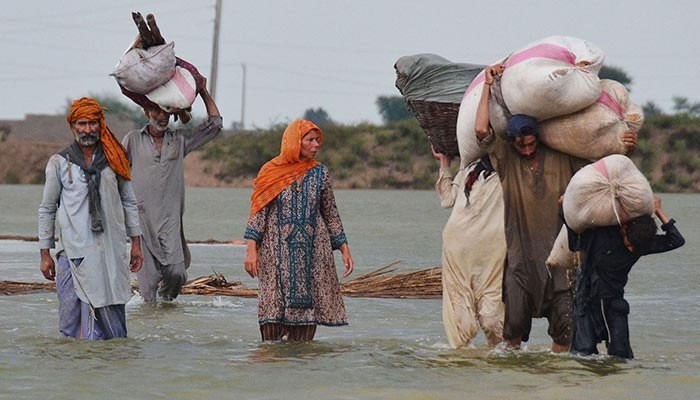
Droughts and prolonged water scarcity forced women and girls to travel longer distances to fetch water, increasing their physical burden while reducing opportunities for education and income-generating activities. The minister said floods and GLOFs damaged homes, agricultural land and critical infrastructure, resulting in displacement, loss of livelihoods and disruption of education and healthcare services. Women and children also faced heightened risks during emergencies.
According to the reply, climate change adversely affected maternal and reproductive health and increased the burden of unpaid care work borne by women. It also threatened food security by reducing agricultural productivity through rising temperatures, droughts, floods and erratic rainfall. The minister said the government had adopted a gender-responsive approach to climate action and disaster risk management through policy reforms and institutional frameworks.