
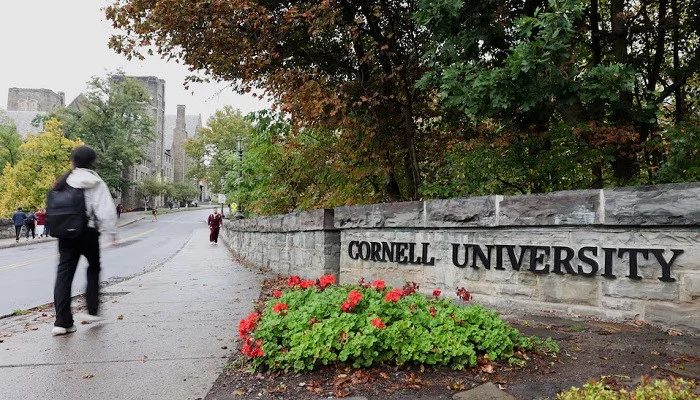
A sexual assault case involving several members of a Cornell University fraternity has left students questioning the university's response and raising concerns about safety on the Ivy League campus. Sophia Riley Sim, a Cornell junior, was among those affected by the controversy, skipping classes this week as allegations from a 2024 incident and the university's handling of the case came under renewed scrutiny. "Cornell has failed our community through its lack of accountability, transparency, and failure to address the state of the Cornell student body at this time," Sim said at a public hearing on sexual assault organised by Cornell's Student Assembly on Thursday. "There has been a lack of meaningful communication from university leadership, administrators, and faculty."
The Ivy League school has defended its handling of the matter, saying it launched a comprehensive investigation and barred the Chi Phi fraternity involved in the alleged assault from campus. The school said it imposed a range of disciplinary measures, including expulsions. It did not immediately respond to a request for additional comment. The hearing, held in one of Cornell's historic halls, came days after the allegations became public with the filing of a civil lawsuit and the announcement that a criminal investigation would be reopened. The case has reignited scrutiny of how law enforcement and universities handle sexual assault complaints, with students questioning whether processes are enough to protect them. It has also drawn the attention of New York state officials, who have appointed a special prosecutor to investigate.
At the Assembly hearing, speakers recounted experiences with sexual assault, broke down in tears and criticised the response of the prestigious university. The Student Assembly, which represents Cornell's undergraduate students and can make proposals to the university's bodies or officers, unanimously approved a resolution calling on Cornell administrators to provide a full account of how the university handled the investigation. It also asked the university to disclose any disciplinary measures imposed on the accused students, and publish annual reports on the outcomes of any future sexual misconduct cases. Organisers asked that the hearing not identify or record many of the dozens of speakers.
One student said she had worked all her life to be accepted to Cornell and now felt that it had not been worth it. Several others said they did not feel safe on the 2,300-acre campus in New York's Finger Lakes region. Thirty-five percent of undergraduate women reported experiencing nonconsensual sexual contact involving force or incapacitation since entering Cornell, according to a university survey conducted in 2025 and published on its website. That figure was up from 20% in 2021. The lawsuit alleges fraternity members supplied the woman with alcohol, marijuana and ketamine before sexually assaulting her after she became incapacitated. It also alleges Cornell failed to adequately punish some of the accused students and allowed some to seek reduced penalties by writing essays. Cornell denied that essays were the only punishment meted out.