
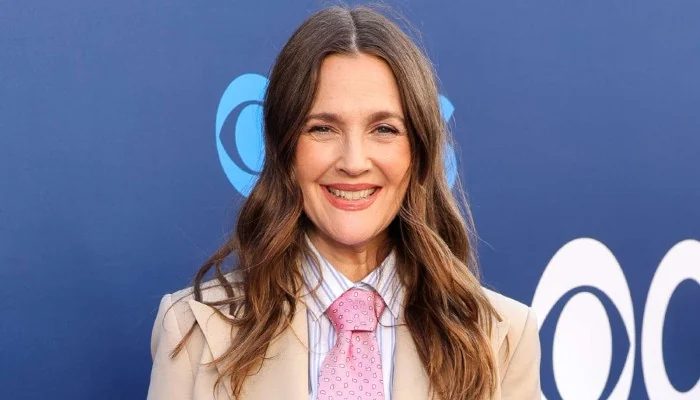
Drew Barrymore has spoken about the shame she carried over her partying past, and said the judgment followed her into motherhood. The actress and talk show host made the comments on The Drew Barrymore Show on Tuesday, November 17, in conversation with Club Kid star Jordan Firstman, 35.
- Barrymore said she has spent much of her life feeling shame about her partying past.
- She noted that criticism became harder to bear once she had children.
- She argued that people who enjoy nightlife are routinely villainised.
She said she has spent much of her life feeling "shame" about having been a party person. The criticism became harder to bear once she had children.
Barrymore also pushed back on how people who enjoy going out are treated. Those who want to let loose, drink, or dance are routinely villainised, she said, and she does not believe that characterisation is fair.
She recalled how the subject dominated her interviews at the time. Once she had been open about her partying, she said, journalists repeatedly asked whether she would ever have children.
Firstman's defense of nightlife culture
Firstman offered a defence of the culture, arguing that people who go out are often among the most sensitive and creative, and describing party spaces as both "survival" and "celebration" for queer people. Barrymore has two daughters, Olive, 14, and Frankie, 12, with her ex-husband Will Kopelman.
Barrymore's reflections on motherhood and industry pressure
The pair divorced in 2016 and have remained on good terms. The actress emphasized that the societal pressure placed on women, particularly mothers, to conform to a specific image often leads to unfair labeling.
Reflecting on her journey, she noted that the industry's obsession with her past choices often overshadows her professional achievements. She expressed a desire for a more empathetic approach toward individuals who have evolved from their younger years.
The conversation highlighted the ongoing struggle for public figures to reclaim their narratives. By addressing these issues openly, Barrymore hopes to shift the discourse surrounding personal freedom and the stigma attached to nightlife culture.
Firstman's perspective added depth to the discussion, framing nightlife as a vital community space. He argued that the creative energy found in these environments is often misunderstood by those who view them solely through a negative lens.
The episode resonated with many viewers who have faced similar judgments. Barrymore's willingness to be vulnerable continues to be a hallmark of her show, fostering honest dialogues about complex social issues.
As she continues to balance her career and motherhood, the actress remains committed to challenging outdated norms. Her recent comments serve as a reminder that personal growth is a continuous process that should not be defined by past perceptions.
The discussion concluded with a mutual agreement that individuals should be judged by their current actions rather than their history. Both Barrymore and Firstman advocated for a more inclusive and understanding society.