
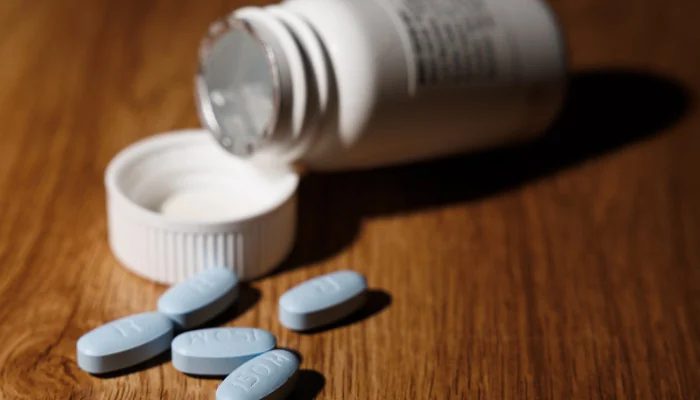
A new pill that shrinks and may even wipe out pancreatic tumours is being called the biggest breakthrough treatment for the disease in decades. The clinical trial results were presented at a major international cancer conference on Friday, November 20, 2026. The findings, shared at the EORTC-NCI-AACR Symposium in Barcelona, come from a phase 1/2 trial testing a daily oral medication called daraxonrasib, along with two standard intravenous chemotherapy drugs, gemcitabine and nab‑paclitaxel.
- The phase 1/2 trial tested the daily oral drug daraxonrasib combined with gemcitabine and nab‑paclitaxel in 61 patients with advanced pancreatic cancer.
- Tumour shrinkage was observed in 60.7% of participants, with 8.2% achieving complete disappearance on scans.
- The combination therapy halted tumour growth in 90.2% of patients, surpassing typical chemotherapy response rates of 23% · 42%.
Trial Design and Medication
In one in 12 of the pancreatic cancer patients given the drug daraxonrasib during the trial, the cancer became undetectable, and the tumours stopped growing in almost all of the 61 patients. The 61 trial participants had recently been diagnosed with advanced pancreatic cancer that had spread to other parts of the body. The doctors are hopeful that the drug combo shows positive signs although it doesn't cause full remission.
Efficacy Results
Dr Wungki, the study lead author, who presented the findings at the prestigious conference, said, "We are now seeing not only substantial tumour shrinkages, including complete responses, but also durable disease control, with median progression‑free survival exceeding one year." For the unversed, according to the research, pancreatic cancer is so hard to treat because more than half of patients are diagnosed at a later stage when the cancer has already spread.
Comparative Outcomes and Future Outlook
In major clinical trials for metastatic pancreatic cancer, chemotherapy alone shrinks tumours in about 23% to 42% of patients, but the disease typically begins growing after five to six months, and most patients survive between 8 and 11 months. In the new study, which tracked patients for a median follow‑up of 18 months, tumours shrank in 60.7% of cases, including 8.2% where they disappeared completely on scans. Overall, the drug combo stopped tumour growth in 90.2% of participants.