
India escalated hostilities against Pakistan on May 6, 2025, prompting a series of retaliatory strikes and diplomatic moves through November 2026.
- India launched drone and missile attacks after its air force grounded.
- Pakistan responded with Operation Bunyanum Marsoos targeting Indian bases.
- Both sides threatened nuclear escalation amid diplomatic deadlock.
India's Escalation Steps
Since the Modi‑led BJP‑RSS government assumed power, India pursued expansionist ambitions and avoided conflict resolution. Western indulgence encouraged its self‑image as a great power. India received a Nuclear Suppliers Group exception, was described as a "net security provider," signed foundational military cooperation agreements with the United States, joined the Quad and accessed advanced Western technologies and weapons systems.
India's doctrine attempted limited wars against Pakistan in 2019 and again in 2024, relying on a nuclear overhang to deter retaliation. On May 6, 2025, India attacked civilian sites in Pakistan. Pakistan answered with a "quid pro quo plus" response, shooting down several Indian aircraft. India grounded its air force for 48 hours and then shifted to drone and missile attacks.
Pakistan escalated one step higher by launching Operation Bunyanum Marsoos, which struck scores of Indian air bases, missile sites and anti‑ballistic‑missile systems. Realising the conflict could not stay limited, India sought urgent U.S. intervention to secure a Pakistani ceasefire.
Despite military setbacks, the Modi government made false statements that Operation Sindoor was merely "paused," not ended, and claimed India would automatically attack Pakistan after any terrorist incident in India. India also asserted it had "called Pakistan's nuclear bluff."
India put the Indus Waters Treaty in abeyance, threatened to cut off Pakistan's access to the three western rivers of the Indus Basin, and warned of taking over Azad Jammu and Kashmir. It intensified terrorism campaigns from Taliban‑ruled Afghanistan and refused any dialogue to resolve outstanding disputes.
Militarily, India "cannisterised" its nuclear weapons and mated them with submarine‑launched missiles, giving it both second‑strike and pre‑emptive‑strike capabilities and exposing the hollowness of its no‑first‑use doctrine.
Pakistan's Countermeasures
Pakistan expressed readiness for dialogue, called for adherence to the Indus Waters Treaty and international law, and demanded an end to Indian‑sponsored terrorism. It created the conventional Fatah intermediate‑range missile force capable of reaching all Indian military facilities. Pakistan visibly separated its nuclear strategic command and consolidated command and control of air, sea and land forces in the office of the Chief of Defence Staff.
Pakistan demonstrated the will and capability to respond effectively at any conflict level, while still desiring a peaceful resolution. Its strategic restraint, however, was not unlimited. Pakistan's strategic partner, China, signalled it would not allow any threat to Pakistan's sovereignty, and the international community would denounce another Indian aggression.
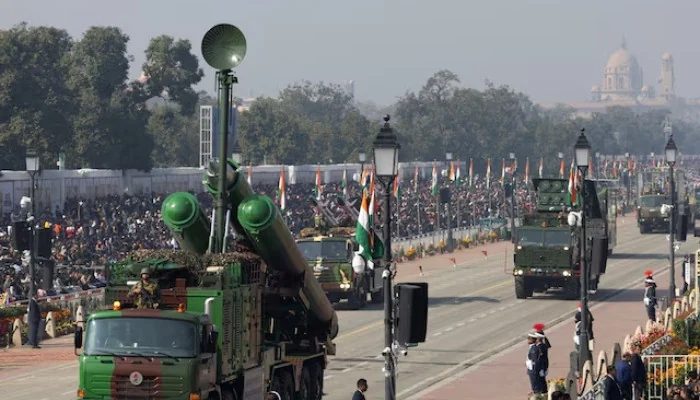
Both sides faced multiple pathways to nuclear use. Either side could adopt a "Samson Option" if faced with existential defeat, accidentally strike nuclear assets, target command and control, mistake a conventional strike for a nuclear one, or suffer unauthorized use of nuclear systems. India's irresponsible use of the dual‑capable Brahmos missile in the last conflict and the accidental firing of a Brahmos missile in 2022 raised doubts about its command and control. Modern multi‑domain warfare further blurred the line between conventional and strategic weapons, multiplying the risk of nuclear escalation.