
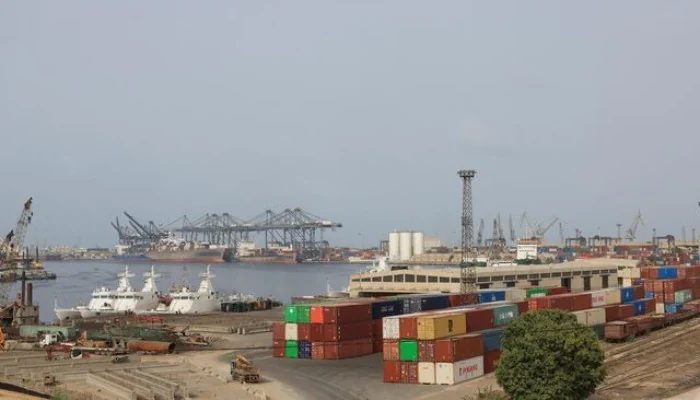
The Federal Constitutional Court struck down Punjab's infrastructure cess on November 19, giving industrialists relief and cutting revenue for Sindh and Khyber Pakhtunkhwa.
- Punjab's manufacturers saved on import and export levies.
- Sindh lost about Rs180 billion in FY2025‑26.
- KP's Rs20 billion target remains partly intact.
Impact on Punjab Industry
Lahore Chamber of Commerce and Industry President Ali Hussam Asghar said the decision had wider economic implications because Punjab, despite being landlocked, is Pakistan's largest industrial and manufacturing province. He added that the additional provincial levies on imported inputs and export consignments had consequently added to the cost disadvantage faced by manufacturers operating hundreds of kilometres away from the country's maritime gateways. He noted that Punjab's major production centres, including Faisalabad, Lahore, Gujranwala, Sialkot, Sheikhupura and Multan, relied on Karachi's ports for access to international markets.
Pakistan Auto Parts Manufacturers Association former chairman Nabeel Hashmi said Punjab‑based manufacturers had long faced the geographical disadvantage of transporting imported inputs from Karachi and returning export consignments to the port. He said the provincial cess represented an additional fiscal burden on top of freight, handling, warehousing and other logistics expenses. He said its removal could improve cash flows, reduce working‑capital requirements, and provide manufacturers with some additional room to compete on price.
Revenue Loss for Sindh and KP
The court set aside earlier judgments of the Sindh and Peshawar high courts that had upheld the respective infrastructure‑cess laws. Sindh had collected around Rs180 billion under the Infrastructure Development Cess in FY2025‑26 on imports entering through Karachi's ports. The FCC ruling removed the constitutional basis for continuing the challenged import‑ and export‑related collections, creating a significant revenue challenge for Sindh.
Khyber Pakhtunkhwa also faced a revenue setback. The FCC judgement made the import, export and inter‑provincial transit components of the province's anticipated revenue unsustainable. However, the court did not conclusively invalidate the separate domestic‑goods provision under section 3(1)(a) of the amended 2022 Act. Its constitutional validity required separate examination, so the entire Rs20 billion budget target could not automatically be treated as lost revenue.
Legal Scope of the Ruling
The decision did not prevent provinces from introducing constitutionally valid taxes or service charges within their legislative jurisdiction. The court specifically recognised provincial authority to enact competent infrastructure or service charges on goods manufactured and consumed within their respective territories. For Punjab, the ruling represented an opportunity to improve the competitiveness of its manufacturing base without requiring any new fiscal concessions from the provincial government. For Sindh and Khyber Pakhtunkhwa, it created the challenge of replacing a revenue stream that had become an important component of their fiscal arrangements.