
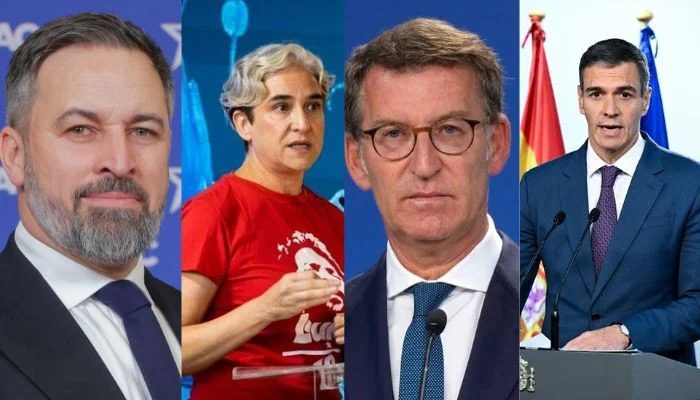
Millions of Spaniards will vote on Sunday, November 29, in a snap election that could end Pedro Sánchez's eight-year rule and bring the far right into government.
- Sánchez called the early election on Oct. 5 after housing‑crisis measures failed.
- Feijóo promised tax cuts, fewer regulations, and one million new homes.
- Abascal pushes stricter immigration, lower taxes, centralisation, and supports Israel.
Key Contenders
Pedro Sánchez, the 65‑year‑old Spanish prime minister, faced a coalition of challengers in the November 29 vote. The main opposition came from Alberto Núñez Feijóo, who led Galicia for 13 years and won four consecutive regional elections with absolute majorities. Feijóo's party secured the most seats in the 2023 general election but could not form a government. In the current race, he pledged tax cuts, fewer business regulations, and the construction of one million homes.
Javier Maroto Abascal, the 50‑year‑old former People's Party politician, headed Spain's far‑right party. Abascal advocated stricter immigration controls, lower taxes, and greater centralisation of government powers. He admired Argentine President Javier Milei, supported Israel, and criticised Sánchez's stance on Gaza.
Former Barcelona mayor and long‑time housing‑rights activist María Teresa García sought tighter rent regulations and increased public‑housing investment. Meanwhile, former equality minister Irene Montero contested the election separately under the Podemos banner.
Political Landscape
Spain's lower house contains 350 seats, and an outright majority requires 176 seats. The 2023 results showed that winning the most seats does not guarantee power, as smaller parties can become kingmakers. Sánchez's government had survived a confidence vote in 2023, but the early election was triggered after parliament rejected his housing‑crisis measures.
Voters will decide whether the far right can break into the national government for the first time since Spain returned to democracy. The outcome will hinge on how the smaller parties align themselves and whether they side with the leading contenders.