Over half-a-dozen backchannel meetings between the Pakistan Tehreek-e-Insaf (PTI) and the authorities over the past four to five weeks failed to break the deadlock over the party's proposed march towards Islamabad, although the contacts explored a possible political way out of the confrontation. Sources familiar with the discussions told According to the sources, the government and security side conveyed that political space could be created for the Pakistan Tehreek-e-Insaf (PTI), but politics involving agitation, violence, road blockades and marches would not be acceptable.
The central purpose of these contacts was to explore whether a political space could be created for the Pakistan Tehreek-e-Insaf (PTI) and whether the confrontation surrounding the march could be avoided through a mutually workable arrangement. The sources said the message conveyed to the Pakistan Tehreek-e-Insaf (PTI) side was that there could be room for political engagement and facilitation on certain issues, but this would require the party to abandon the path of confrontation.
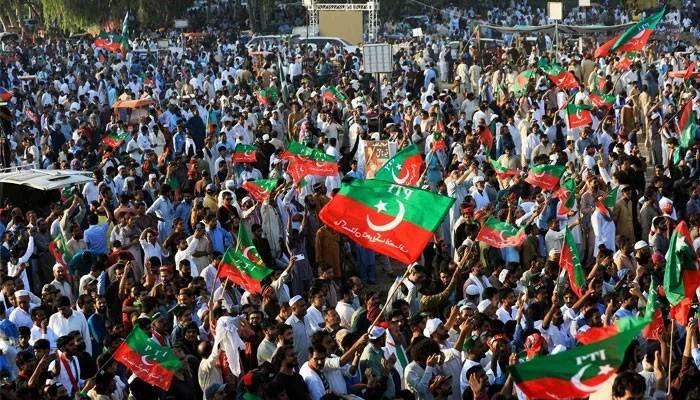
The distinction between postponement and call-off subsequently became the key sticking point. According to the sources, the other side wanted the Pakistan Tehreek-e-Insaf (PTI) to clearly call off the march, arguing that merely shifting the date would not address the security concerns associated with a large mobilisation travelling from Khyber Pakhtunkhwa towards Islamabad. This concern was particularly linked to the possibility of thousands of people moving towards the capital and gathering at points along the route.
Even if the number of participants were in the thousands rather than tens of thousands, the sources said, any untoward incident could rapidly deteriorate the situation and destroy whatever political space had been created through the backchannel contacts. The government has publicly taken a firm position against road blockades and disruption of routine life, while extraordinary security measures were put in place ahead of the original September 27 date.
The sources said Mahmood Khan Achakzai was also approached over the possibility of calling off the march. According to the account shared with this correspondent, when the matter was discussed with Achakzai, he indicated that a call-off could become possible if arrangements were made for him to meet Pakistan Tehreek-e-Insaf (PTI) founder Imran Khan in jail. The proposal, however, did not find acceptance on the other side.
The response, according to the sources, was that the Pakistan Tehreek-e-Insaf (PTI) should first call off the march. Once that happened, matters relating to meetings with Imran Khan, access to lawyers and his medical treatment could be facilitated within the applicable framework. The backchannel contacts, therefore, continued, with the question of how to secure a clear call-off remaining unresolved.
The atmosphere became more difficult following a series of irresponsible statements from the Pakistan Tehreek-e-Insaf (PTI) leadership in Khyber Pakhtunkhwa. Sources said some statements, particularly those perceived by the other side as threatening or confrontational, contributed to a further hardening of the government's and security authorities' position. The sources said Pakistan Tehreek-e-Insaf (PTI) was subsequently given a clear message that if the march went ahead, it would be dealt with firmly.
This, in turn, triggered discussion within the Pakistan Tehreek-e-Insaf (PTI) about whether there were alternative ways of handling the mobilisation if the party was unwilling to call it off altogether. One possibility considered, according to the sources, was whether the movement could be slowed down or brought towards Islamabad gradually rather than through a single large mobilisation. But this option did not satisfy the other side.
The fundamental position conveyed to the Pakistan Tehreek-e-Insaf (PTI), the sources said, was that there should be no march towards Islamabad and no situation in which a gathering could turn into a prolonged road blockade or confrontation. The sources said another particularly significant message conveyed during the backchannel contacts concerned the future political timeline. Pakistan Tehreek-e-Insaf (PTI) was told, according to the sources, that if it proceeded with the march, whatever process followed would not necessarily operate according to the timeline being sought by the party.
Instead, the sources said, the subsequent timeline would be determined by the government and security authorities. In other words, the party was being told that proceeding with the march could result in the political process moving according to the other side's timetable rather than Pakistan Tehreek-e-Insaf (PTI)'s preferred schedule. The contacts did not, however, involve any commitment to release Imran Khan, according to the sources.
Rather, the possible areas of facilitation discussed included matters such as access to lawyers, meetings with Imran Khan and medical treatment.