
The Iran war and disruption of shipping through the Strait of Hormuz have sharply increased energy import costs across South Asia, with Pakistan, India and Bangladesh facing billions of dollars in additional fuel and LNG bills as higher oil and gas prices combine with rising freight, insurance and supply costs. Pakistan's petroleum import bill surged in the months following an escalation in the Iran conflict, rising from around $983 million in March to $1.28 billion in July, while reaching nearly $1.91 billion in June, according to official trade data. Country's petroleum-group imports during March-July 2026 totalled roughly $7.7-$7.9 billion, compared with about $6.6 billion during the corresponding period of 2025, representing an increase of around $1.3 billion, or nearly 20 per cent. The sharpest increase came in April, when the petroleum import bill jumped to around $1.79 billion, compared with $1.35 billion a year earlier. It remained elevated in May and reached approximately $1.91 billion in June, up about 46 per cent year-on-year. The pressure eased in July when the petroleum-group import bill fell to around $1.28 billion, down sharply from June. Despite the monthly correction, the cumulative March-July bill remained substantially higher than a year earlier. The oil shock has been accompanied by higher LNG costs. Pakistan's petroleum-group imports in June included around $221.5 million worth of LNG, adding to the foreign-exchange burden created by expensive petroleum products. The disruption of energy flows through Hormuz has increased not only crude and LNG prices but also freight, marine insurance and security costs, raising the landed cost of energy cargoes. The additional energy cost comes after Pakistan's petroleum-group imports had already reached approximately $16.86 billion in FY2025-26, up 5.76 per cent from the previous year. Crude oil imports increased by more than 31 per cent during the year. However, according to the data from the Finland-based climate think tank Centre for Research on Energy and Clean Air, the war between the United States, Israel, and Iran has caused the oil and gas import bill of the world to swell by as much as $330 billion over the six months between March and August. Europe suffered the biggest hit at $78 billion, followed by China at $35 billion and India at $22 billion, reflecting their heavy dependence on imported energy. India has suffered an even larger increase in absolute terms because of its enormous crude-import requirement. The country's crude oil import bill jumped 56.5 per cent to $63.4 billion during April-July 2026, despite broadly stable import volumes, as the average price of imported crude surged. India's crude import price reached approximately $114.48 per barrel in April, compared with $67.70 a year earlier. Its oil import bill stood at around $13.7 billion in July alone, up about 41 per cent year-on-year. India imports roughly 88 per cent of its crude oil requirements, making its economy highly sensitive to international oil prices and disruptions affecting Middle Eastern supply routes. The increase in crude costs has added to pressure on India's merchandise trade balance, with expensive oil raising the dollar value of one of the country's largest import categories. Bangladesh has also suffered a sharp energy-cost shock. Bangladesh Bank data show petroleum-goods imports more than doubled to $10.64 billion in FY2025-26 from $5.14 billion a year earlier.
Hormuz Shock Adds $1.3bn To Pakistan's Fuel Bill In March-July Period
بحر ہرمز کشیدگی سے مارچ تا جولائی میں پاکستان کے فیول بل میں ایک ارب 30 کروڑ ڈالر کا اضافہ
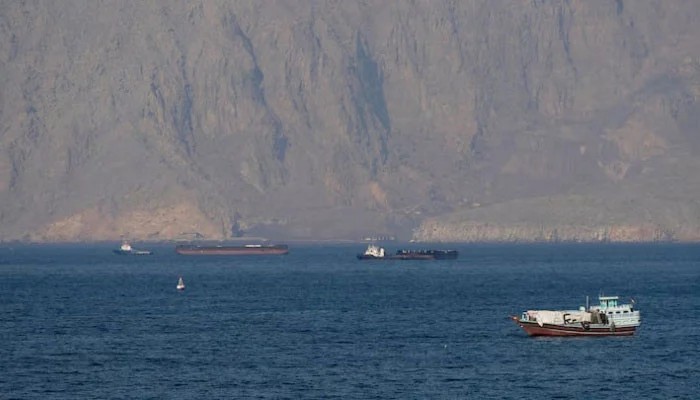
ایران جنگ اور بحر ہرمز میں جہاز رانی میں خلل کے نتیجے میں جنوبی ایشیا بھر میں توانائی کی درآمدی لاگت میں تیزی سے اضافہ ریکارڈ کیا گیا ہے۔ تیل اور گیس کی بلند قیمتوں کے ساتھ ساتھ فریٹ، انشورنس اور سپلائی کے اخراجات بڑھنے سے پاکستان، بھارت اور بنگلہ دیش کو اربوں ڈالر کے اضافی فیول اور ایل این جماعت اسلامی بلوں کا سامنا ہے۔ سرکاری تجارتی اعداد و شمار کے مطابق ایران تنازع میں شدت کے بعد آنے والے مہینوں میں پاکستان کا پٹرولیم درآمدی بل مارچ کے لگ بھگ 983 ملین ڈالر سے بڑھ کر جولائی میں 1.28 ارب ڈالر تک پہنچ گیا جبکہ جون میں یہ تقریباً 1.91 ارب ڈالر تک جا پہنچا۔ مجموعی طور پر مارچ تا جولائی کے دوران ملک کی پٹرولیم گروپ کی درآمدات تقریباً 7.7 سے 7.9 ارب ڈالر کے درمیان رہیں جبکہ 2025ء کے اسی دورانیے میں یہ تقریباً 6.6 ارب ڈالر تھیں، جو کہ تقریباً 1.3 ارب ڈالر یا لگ بھگ 20 فیصد اضافے کو ظاہر کرتی ہیں۔ سب سے زیادہ اضافہ اپریل میں دیکھنے میں آیا جب پٹرولیم درآمدی بل بڑھ کر تقریباً 1.79 ارب ڈالر ہو گیا جبکہ گزشتہ سال اسی عرصے میں یہ 1.35 ارب ڈالر تھا۔ مئی میں بھی دباؤ برقرار رہا اور جون میں یہ سالانہ بنیادوں پر تقریباً 46 فیصد اضافے کے ساتھ لگ بھگ 1.91 ارب ڈالر تک پہنچ گیا۔ جولائی میں دباؤ کچھ کم ہوا جب پٹرولیم گروپ کا درآمدی بل کم ہو کر تقریباً 1.28 ارب ڈالر پر آ گیا، جو کہ جون کے مقابلے میں نمایاں کمی ہے۔ ماہانہ درستگی کے باوجود مارچ تا جولائی کا مجموعی بل گزشتہ سال کے مقابلے میں کافی زیادہ رہا۔ اس تیل کے جھٹکے کے ساتھ ساتھ ایل این جماعت اسلامی کی قیمتوں میں بھی اضافہ ہوا ہے۔ جون میں پاکستان کی پٹرولیم گروپ کی درآمدات میں تقریباً 221.5 ملین ڈالر مالیت کی ایل این جماعت اسلامی بھی شامل تھی، جس نے مہنگی پٹرولیم مصنوعات کے باعث زر مبادلہ کے بوجھ میں مزید اضافہ کر دیا۔ بحر ہرمز سے توانائی کے بہاؤ میں تعطل نے نہ صرف خام تیل اور ایل این جماعت اسلامی کی قیمتوں کو بڑھایا بلکہ فریٹ، میرین انشورنس اور سیکیورٹی کے اخراجات میں بھی اضافہ کیا، جس سے توانائی کی کھیپ کی مقامی لاگت بڑھ گئی۔ اضافی توانائی کا یہ خرچ اس وقت سامنے آیا جب مالی سال 2025-26ء کے دوران پاکستان کی پٹرولیم گروپ کی درآمدات پہلے ہی تقریباً 16.86 ارب ڈالر تک پہنچ چکی تھیں، جو گزشتہ سال کے مقابلے میں 5.76 فیصد زیادہ ہیں۔ خام تیل کی درآمدات میں اس سال کے دوران 31 فیصد سے زیادہ اضافہ ہوا۔ تاہم، فن لینڈ کے موسمیاتی تھنک ٹینک 'سینٹر فار ریسرچ آن انرجی اینڈ کلین ایئر' کے اعداد و شمار کے مطابق امریکہ، اسرائیل اور ایران کے درمیان جنگ کی وجہ سے مارچ اور اگست کے درمیان چھ ماہ میں دنیا کا تیل اور گیس کا درآمدی بل 330 ارب ڈالر تک بڑھ چکا ہے۔ یورپ کو سب سے بڑا دھچکا 78 ارب ڈالر کی صورت میں لگا، جس کے بعد چین 35 ارب ڈالر اور بھارت 22 ارب ڈالر کے ساتھ بالترتیب دوسرے اور تیسرے نمبر پر رہے، جو درآمدی توانائی پر ان کے شدید انحصار کو ظاہر کرتا ہے۔ خام تیل کی زبردست درآمدی ضرورت کی وجہ سے مطلق لحاظ سے بھارت میں اس سے بھی بڑا اضافہ دیکھا گیا۔ ملک کا خام تیل کا درآمدی بل اپریل تا جولائی 2026ء کے دوران 56.5 فیصد اضافے کے ساتھ 63.4 ارب ڈالر تک پہنچ گیا، حالانکہ درآمدی حجم تقریباً مستحکم رہا لیکن درآمدی خام تیل کی اوسط قیمت میں زبردست اضافہ ہوا۔ اپریل میں بھارت کی خام تیل کی درآمدی قیمت تقریباً 114.48 ڈالر فی بیرل تک پہنچ گئی، جبکہ گزشتہ سال اسی عرصے میں یہ 67.70 ڈالر تھی۔ اکیلے جولائی میں اس کا تیل کا درآمدی بل تقریباً 13.7 ارب ڈالر رہا، جو سالانہ بنیادوں پر تقریباً 41 فیصد زیادہ ہے۔ بھارت اپنی خام تیل کی ضروریات کا تقریباً 88 فیصد درآمد کرتا ہے، جس کی وجہ سے اس کی معیشت عالمی تیل کی قیمتوں اور مشرق وسطیٰ کے سپلائی روٹس کو متاثر کرنے والے تعطل کے حوالے سے انتہائی حساس ہے۔ خام تیل کی لاگت میں اضافے نے بھارت کے تجارتی توازن پر دباؤ بڑھا دیا ہے، اور مہنگے تیل نے ملک کے سب سے بڑے درآمدی زمروں میں سے ایک کی ڈالر مالیت کو بڑھا دیا ہے۔ بنگلہ دیش کو بھی توانائی کی لاگت کے شدید دھچکے کا سامنا کرنا پڑا ہے۔ بنگلہ دیش بینک کے اعداد و شمار ظاہر کرتے ہیں کہ مالی سال 2025-26ء میں پٹرولیم مصنوعات کی درآمدات دگنی سے بھی زیادہ ہو کر 10.64 ارب ڈالر تک پہنچ گئیں، جو کہ گزشتہ سال اسی عرصے میں 5.14 ارب ڈالر تھیں۔
Hormuz Shock Adds $1.3bn To Pakistan's Fuel Bill In March-July Period
The Iran war and disruption of shipping through the Strait of Hormuz have sharply increased energy import costs across South Asia, with Pakistan, India and Bangladesh facing billions of dollars in additional fuel and LNG bills as higher oil and gas prices combine with rising freight, insurance and supply costs. Pakistan's petroleum import bill surged in the months following an escalation in the Iran conflict, rising from around $983 million in March to $1.28 billion in July, while reaching nearly $1.91 billion in June, according to official trade data. Country's petroleum-group imports during March-July 2026 totalled roughly $7.7-$7.9 billion, compared with about $6.6 billion during the corresponding period of 2025, representing an increase of around $1.3 billion, or nearly 20 per cent. The sharpest increase came in April, when the petroleum import bill jumped to around $1.79 billion, compared with $1.35 billion a year earlier. It remained elevated in May and reached approximately $1.91 billion in June, up about 46 per cent year-on-year. The pressure eased in July when the petroleum-group import bill fell to around $1.28 billion, down sharply from June. Despite the monthly correction, the cumulative March-July bill remained substantially higher than a year earlier. The oil shock has been accompanied by higher LNG costs. Pakistan's petroleum-group imports in June included around $221.5 million worth of LNG, adding to the foreign-exchange burden created by expensive petroleum products. The disruption of energy flows through Hormuz has increased not only crude and LNG prices but also freight, marine insurance and security costs, raising the landed cost of energy cargoes. The additional energy cost comes after Pakistan's petroleum-group imports had already reached approximately $16.86 billion in FY2025-26, up 5.76 per cent from the previous year. Crude oil imports increased by more than 31 per cent during the year. However, according to the data from the Finland-based climate think tank Centre for Research on Energy and Clean Air, the war between the United States, Israel, and Iran has caused the oil and gas import bill of the world to swell by as much as $330 billion over the six months between March and August. Europe suffered the biggest hit at $78 billion, followed by China at $35 billion and India at $22 billion, reflecting their heavy dependence on imported energy. India has suffered an even larger increase in absolute terms because of its enormous crude-import requirement. The country's crude oil import bill jumped 56.5 per cent to $63.4 billion during April-July 2026, despite broadly stable import volumes, as the average price of imported crude surged. India's crude import price reached approximately $114.48 per barrel in April, compared with $67.70 a year earlier. Its oil import bill stood at around $13.7 billion in July alone, up about 41 per cent year-on-year. India imports roughly 88 per cent of its crude oil requirements, making its economy highly sensitive to international oil prices and disruptions affecting Middle Eastern supply routes. The increase in crude costs has added to pressure on India's merchandise trade balance, with expensive oil raising the dollar value of one of the country's largest import categories. Bangladesh has also suffered a sharp energy-cost shock. Bangladesh Bank data show petroleum-goods imports more than doubled to $10.64 billion in FY2025-26 from $5.14 billion a year earlier.
بحر ہرمز کشیدگی سے مارچ تا جولائی میں پاکستان کے فیول بل میں ایک ارب 30 کروڑ ڈالر کا اضافہ
ایران جنگ اور بحر ہرمز میں جہاز رانی میں خلل کے نتیجے میں جنوبی ایشیا بھر میں توانائی کی درآمدی لاگت میں تیزی سے اضافہ ریکارڈ کیا گیا ہے۔ تیل اور گیس کی بلند قیمتوں کے ساتھ ساتھ فریٹ، انشورنس اور سپلائی کے اخراجات بڑھنے سے پاکستان، بھارت اور بنگلہ دیش کو اربوں ڈالر کے اضافی فیول اور ایل این جماعت اسلامی بلوں کا سامنا ہے۔ سرکاری تجارتی اعداد و شمار کے مطابق ایران تنازع میں شدت کے بعد آنے والے مہینوں میں پاکستان کا پٹرولیم درآمدی بل مارچ کے لگ بھگ 983 ملین ڈالر سے بڑھ کر جولائی میں 1.28 ارب ڈالر تک پہنچ گیا جبکہ جون میں یہ تقریباً 1.91 ارب ڈالر تک جا پہنچا۔ مجموعی طور پر مارچ تا جولائی کے دوران ملک کی پٹرولیم گروپ کی درآمدات تقریباً 7.7 سے 7.9 ارب ڈالر کے درمیان رہیں جبکہ 2025ء کے اسی دورانیے میں یہ تقریباً 6.6 ارب ڈالر تھیں، جو کہ تقریباً 1.3 ارب ڈالر یا لگ بھگ 20 فیصد اضافے کو ظاہر کرتی ہیں۔ سب سے زیادہ اضافہ اپریل میں دیکھنے میں آیا جب پٹرولیم درآمدی بل بڑھ کر تقریباً 1.79 ارب ڈالر ہو گیا جبکہ گزشتہ سال اسی عرصے میں یہ 1.35 ارب ڈالر تھا۔ مئی میں بھی دباؤ برقرار رہا اور جون میں یہ سالانہ بنیادوں پر تقریباً 46 فیصد اضافے کے ساتھ لگ بھگ 1.91 ارب ڈالر تک پہنچ گیا۔ جولائی میں دباؤ کچھ کم ہوا جب پٹرولیم گروپ کا درآمدی بل کم ہو کر تقریباً 1.28 ارب ڈالر پر آ گیا، جو کہ جون کے مقابلے میں نمایاں کمی ہے۔ ماہانہ درستگی کے باوجود مارچ تا جولائی کا مجموعی بل گزشتہ سال کے مقابلے میں کافی زیادہ رہا۔ اس تیل کے جھٹکے کے ساتھ ساتھ ایل این جماعت اسلامی کی قیمتوں میں بھی اضافہ ہوا ہے۔ جون میں پاکستان کی پٹرولیم گروپ کی درآمدات میں تقریباً 221.5 ملین ڈالر مالیت کی ایل این جماعت اسلامی بھی شامل تھی، جس نے مہنگی پٹرولیم مصنوعات کے باعث زر مبادلہ کے بوجھ میں مزید اضافہ کر دیا۔ بحر ہرمز سے توانائی کے بہاؤ میں تعطل نے نہ صرف خام تیل اور ایل این جماعت اسلامی کی قیمتوں کو بڑھایا بلکہ فریٹ، میرین انشورنس اور سیکیورٹی کے اخراجات میں بھی اضافہ کیا، جس سے توانائی کی کھیپ کی مقامی لاگت بڑھ گئی۔ اضافی توانائی کا یہ خرچ اس وقت سامنے آیا جب مالی سال 2025-26ء کے دوران پاکستان کی پٹرولیم گروپ کی درآمدات پہلے ہی تقریباً 16.86 ارب ڈالر تک پہنچ چکی تھیں، جو گزشتہ سال کے مقابلے میں 5.76 فیصد زیادہ ہیں۔ خام تیل کی درآمدات میں اس سال کے دوران 31 فیصد سے زیادہ اضافہ ہوا۔ تاہم، فن لینڈ کے موسمیاتی تھنک ٹینک 'سینٹر فار ریسرچ آن انرجی اینڈ کلین ایئر' کے اعداد و شمار کے مطابق امریکہ، اسرائیل اور ایران کے درمیان جنگ کی وجہ سے مارچ اور اگست کے درمیان چھ ماہ میں دنیا کا تیل اور گیس کا درآمدی بل 330 ارب ڈالر تک بڑھ چکا ہے۔ یورپ کو سب سے بڑا دھچکا 78 ارب ڈالر کی صورت میں لگا، جس کے بعد چین 35 ارب ڈالر اور بھارت 22 ارب ڈالر کے ساتھ بالترتیب دوسرے اور تیسرے نمبر پر رہے، جو درآمدی توانائی پر ان کے شدید انحصار کو ظاہر کرتا ہے۔ خام تیل کی زبردست درآمدی ضرورت کی وجہ سے مطلق لحاظ سے بھارت میں اس سے بھی بڑا اضافہ دیکھا گیا۔ ملک کا خام تیل کا درآمدی بل اپریل تا جولائی 2026ء کے دوران 56.5 فیصد اضافے کے ساتھ 63.4 ارب ڈالر تک پہنچ گیا، حالانکہ درآمدی حجم تقریباً مستحکم رہا لیکن درآمدی خام تیل کی اوسط قیمت میں زبردست اضافہ ہوا۔ اپریل میں بھارت کی خام تیل کی درآمدی قیمت تقریباً 114.48 ڈالر فی بیرل تک پہنچ گئی، جبکہ گزشتہ سال اسی عرصے میں یہ 67.70 ڈالر تھی۔ اکیلے جولائی میں اس کا تیل کا درآمدی بل تقریباً 13.7 ارب ڈالر رہا، جو سالانہ بنیادوں پر تقریباً 41 فیصد زیادہ ہے۔ بھارت اپنی خام تیل کی ضروریات کا تقریباً 88 فیصد درآمد کرتا ہے، جس کی وجہ سے اس کی معیشت عالمی تیل کی قیمتوں اور مشرق وسطیٰ کے سپلائی روٹس کو متاثر کرنے والے تعطل کے حوالے سے انتہائی حساس ہے۔ خام تیل کی لاگت میں اضافے نے بھارت کے تجارتی توازن پر دباؤ بڑھا دیا ہے، اور مہنگے تیل نے ملک کے سب سے بڑے درآمدی زمروں میں سے ایک کی ڈالر مالیت کو بڑھا دیا ہے۔ بنگلہ دیش کو بھی توانائی کی لاگت کے شدید دھچکے کا سامنا کرنا پڑا ہے۔ بنگلہ دیش بینک کے اعداد و شمار ظاہر کرتے ہیں کہ مالی سال 2025-26ء میں پٹرولیم مصنوعات کی درآمدات دگنی سے بھی زیادہ ہو کر 10.64 ارب ڈالر تک پہنچ گئیں، جو کہ گزشتہ سال اسی عرصے میں 5.14 ارب ڈالر تھیں۔