
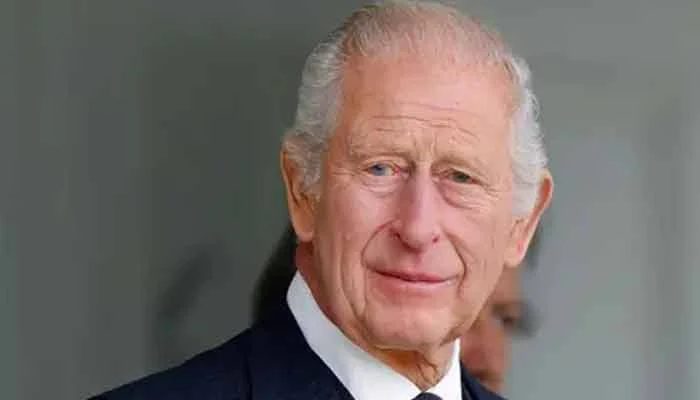
King Charles III announced on November 20, 2026, that he will voluntarily pay a high-value council tax surcharge on royal residences, effectively waiving his Crown immunity.
- The King will pay the mansion tax on royal properties starting in April 2028.
- The surcharge applies to 165,000 homes in England with annual costs up to £7,500.
- The monarch previously disclosed paying £12.9 million in taxes during the 2024-25 financial year.
Royal Tax Policy Shift
The 78-year-old monarch decided to pay the mansion tax despite the Crown holding legal immunity from such levies. This surcharge was introduced by Rachel Reeves, the Chancellor, during her final Budget in 2025. The tax targets high-value properties across England, with annual bills ranging between £2,500 and £7,500. The King communicated his decision to the Treasury, confirming that the charge will apply to all qualifying royal residences beginning in April 2028.
This decision continues a tradition of voluntary tax contributions that began in the 1990s. Queen Elizabeth II first chose to pay income tax and capital gains tax during that decade, even though she faced no legal obligation to do so. King Charles has maintained this practice as part of an effort to increase transparency and accountability regarding royal financial affairs. In June, Buckingham Palace took the step of publicly revealing the King's personal tax contributions for the first time. That disclosure showed he paid £12.9 million in tax during the 2024-25 financial year.
Residences and Ownership Status
The application of the surcharge depends on the specific ownership arrangements of each royal property. Buckingham Palace, Windsor Castle, and Clarence House are held by the Crown Estate on behalf of the monarch. The profits from the Crown Estate are shared between the Royal Family and the Treasury. Clarence House serves as the official London residence for the King and Queen.
In contrast, Sandringham in Norfolk and Balmoral in Scotland are the King's personal property. He inherited these estates from his mother, Queen Elizabeth II. The King intends for his commitment to the new tax levy to reflect his broader approach to managing royal finances. By waiving his immunity, the monarch aims to align his household with the financial standards expected of other high-value property owners across the country. The move follows a period of growing public scrutiny regarding the financial operations of the monarchy.