
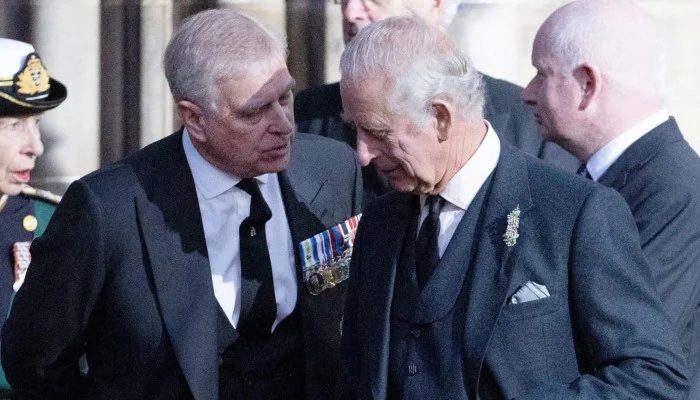
King Charles ordered protective measures for ex‑Prince Andrew in London on November 23, 2026, after a broadcaster disclosed the motive behind the decision.
- King Charles faced backlash for shielding Andrew after Epstein revelations.
- Jonathan Dimbleby investigated the king's reasoning.
- Dimbleby warned Andrew could have faced violence on the streets.
Royal Protection Decision
Ex‑Prince Andrew Mountbatten‑Windsor said he felt lucky because his brother, King Charles, refused to let him suffer in the streets despite the shocking Epstein scandal. The former Duke of York had been linked to convicted sex offender Jeffrey Epstein, a connection that sparked public outrage. King Charles received serious backlash for keeping a hand of mercy on Andrew, even as the revelations about his ties with Epstein emerged.
Andrew is the father of Princess Beatrice and Princess Eugenie. Critics argued that the monarch's protective stance contradicted the demand for accountability. Nevertheless, the king maintained that he would not abandon his brother to potential danger or humiliation.
Dimbleby's Findings
British broadcaster and historian Jonathan Dimbleby dug deep into the actual reason behind the monarch's protective measures for Beatrice and Eugenie's father. Dimbleby said he was confident that the king would want truth and justice to prevail. He added, "I also felt pretty sure that he would feel an obligation not to let Andrew be left on the street."
Dimbleby warned that Andrew could have easily been shot or beaten if he had been out on the road. "I think Andrew could easily have been shot. He could have been beaten up if he was out there on the road," he told reporters.
The investigation highlighted the tension between royal loyalty and public demand for transparency. While the king's decision aimed to protect his brother from physical harm, it also intensified scrutiny of the royal family's handling of the Epstein scandal.