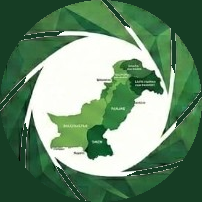
There are several demands for new provinces in Pakistan, but the rationale behind them, as well as the opposition to them, is multifaceted. These include administrative, economic-development, and identity-based arguments, as well as concerns about implementation and costs. Administratively, Pakistan's large provinces are too big, as anyone who has taken the six-hour drive from Rajanpur or Rojhan to Lahore to complete a government form can testify. Economically, smaller administrative units do not get their share. Multan, Bahawalpur, and Dera Ghazi Khan divisions of Punjab provide the country with much of its cotton, wheat, and mangoes, but lag behind in development indicators. Finally, some groups want separate provinces for cultural reasons. Khyber Pakhtunkhwa was renamed in 2010, while residents of Hazara division, who speak Hindko, genuinely want it to become a separate province. In Pakistan's parliament, several serious proposals for new provinces have been made. One of them, South Punjab, appears closest to realisation, as it has the support of the country's largest political parties. Southern Punjab, comprising 11 districts of the Multan, Bahawalpur, and Dera Ghazi Khan divisions, has been proposed several times. The establishment of civil secretariats in Bahawalpur and Multan was a step towards that goal, but has been criticised as merely creating another secretariat without budgetary autonomy, as official documents still have to be approved in Lahore. There is also a demand for a separate Hazara province. Hazara residents, whose cultural identity is different from that of the Pashtuns of Khyber Pakhtunkhwa, protested in 2010 when NWFP was renamed Khyber Pakhtunkhwa. They want a separate province with its capital at Abbottabad, covering five or seven districts of Hazara division. The federal parliament established a committee to address Hazara residents' grievances, but the issue has since languished, even though the Khyber Pakhtunkhwa Assembly unanimously passed a resolution supporting a separate province. Potohar, covering Rawalpindi division, is another region whose residents want a separate province. They cite their unique culture and economic underdevelopment as reasons for becoming a separate administrative unit. Meanwhile, Muttahida Qaumi Movement-Pakistan (MQM-P) has floated the contested idea of partitioning Sindh, either into Karachi and Hyderabad or Karachi and Lower Sindh. Its rationale was essentially administrative: Karachi, a sprawling metropolitan area of 20 million people, generates nearly 60% of Pakistan's tax revenues and is in dire need of decentralisation. At present, Karachi is administered by several different provincial government departments. Sindhi nationalists, however, believe that splitting Sindh would damage the province's cultural heritage and have opposed the idea on the grounds of provincial integrity, arguing that Sindh has existed as a region long before Pakistan's independence. Karachi's administrative challenges are serious, but Sindhi nationalists' fears are not irrational or out of context either. The rationale behind most of these demands, with the exception of Hazara, essentially boils down to the fact that these are large administrative units distant from their capitals that contribute disproportionately to Pakistan's economy without receiving much in return. However, even if all these demands were granted, they would hardly address Pakistan's broader challenges of decentralising power.
New Provinces Won't Be Enough
صرف نئے صوبوں کا قیام کافی نہیں
پاکستان میں نئے صوبوں کے قیام کے مطالبات کی جڑیں انتظامی، اقتصادی اور شناخت پر مبنی دلائل میں پیوست ہیں، جن میں نفاذ اور اخراجات کے حوالے سے تحفظات بھی پائے جاتے ہیں۔ انتظامی لحاظ سے ملک کے بڑے صوبے حجم میں بہت زیادہ بڑے ہیں، جس کا اندازہ راجن پور یا روجھان سے لاہور تک چھ گھنٹے کے طویل سفر سے لگایا جا سکتا ہے۔ اقتصادی نقطہ نظر سے چھوٹے انتظامی یونٹس کو ان کا جائز حصہ نہیں ملتا جبکہ ملتان، بہاولپور اور ڈیرہ غازی خان کے ڈویژنز ملک کو وافر مقدار میں کپاس، گندم اور آم فراہم کرتے ہیں۔ بالآخر، کچھ گروہ ثقافتی وجوہات کی بنا پر علاحدہ صوبوں کا مطالبہ کرتے ہیں۔ خیبر پختونخوا کا نام 2010ء میں تبدیل کیا گیا تھا جبکہ ہزارہ ڈویژن کے ہندکو بولنے والے باشندے اپنے لیے ایک علاحدہ صوبے کا پرزور مطالبہ کرتے ہیں۔ ملک کی پارلیمنٹ میں نئے صوبوں کے حوالے سے کئی سنجیدہ نوعیت کی تجاویز پیش کی جا چکی ہیں، جن میں جنوبی پنجاب کا صوبہ حقیقت بننے کے سب سے قریب دکھائی دیتا ہے کیونکہ اسے ملک کی بڑی سیاسی جماعتوں کی حمایت حاصل ہے۔ جنوبی پنجاب کا مجوزہ صوبہ ملتان، بہاولپور اور ڈیرہ غازی خان ڈویژنز کے 11 اضلاع پر مشتمل ہے، جس کا مطالبہ کئی بار کیا گیا ہے۔ بہاولپور اور ملتان میں سول سیکرٹریٹس کا قیام اس ہدف کی طرف ایک اہم قدم ضرور تھا، لیکن اس پر تنقید بھی کی گئی کیونکہ اس سے صرف ایک نیا سیکرٹریٹ بنا ہے جس کے پاس مالیاتی خود مختاری نہیں ہے اور تمام دفتری امور کی منظوری اب بھی لاہور سے ہی دی جاتی ہے۔ ہزارہ کے رہائشیوں کی ثقافتی شناخت خیبر پختونخوا کے پشتونوں سے مختلف ہے، اور انہوں نے 2010ء میں صوبے کا نام تبدیل ہونے پر شدید احتجاج کیا تھا۔ ہزارہ کے عوام ایبٹ آباد کو دارالحکومت بناتے ہوئے پانچ یا سات اضلاع پر مشتمل علاحدہ صوبے کے خواہاں ہیں۔ وفاقی پارلیمنٹ نے اس معاملے پر ایک کمیٹی بنائی تھی، لیکن یہ معاملہ تاحال التوا کا شکار ہے، حالانکہ خیبر پختونخوا اسمبلی نے علاحدہ صوبے کی حمایت میں متفقہ قرارداد پاس کی تھی۔ پوٹھوہار، جو راولپنڈی ڈویژن پر مشتمل ہے، ایک اور ایسا خطہ ہے جہاں کے رہائشی علاحدہ صوبے کے خواہاں ہیں۔ وہ اپنی منفرد ثقافت اور معاشی پسماندگی کو ایک علاحدہ انتظامی یونٹ بننے کی وجوہات قرار دیتے ہیں۔ دریں اثنا، متحدہ قومی موومنٹ پاکستان نے سندھ کی تقسیم کا متنازع خیال پیش کیا ہے، جو کراچی اور حیدرآباد یا کراچی اور لوئر سندھ پر مشتمل ہو سکتا ہے۔ اس کا بنیادی موقف انتظامی تھا: کراچی، جو 2 کروڑ آبادی کا ایک پھیلا ہوا شہر ہے، پاکستان کے ٹیکس ریونیو کا تقریباً 60 فیصد حصہ پیدا کرتا ہے اور اسے وکندریقرت کی شدید ضرورت ہے۔ اس وقت کراچی کا انتظام کئی مختلف صوبائی محکموں کے ذریعے چلایا جاتا ہے۔ تاہم، سندھی قوم پرستوں کا ماننا ہے کہ سندھ کو تقسیم کرنا صوبے کے ثقافتی ورثے کو نقصان پہنچائے گا، اور وہ صوبائی سالمیت کی بنیاد پر اس خیال کی مخالفت کرتے ہیں، یہ دلیل دیتے ہوئے کہ سندھ کی حیثیت قیام پاکستان سے بہت پہلے سے چلی آ رہی ہے۔ کراچی کے انتظامی مسائل انتہائی سنگین نوعیت کے ہیں، لیکن سندھی قوم پرستوں کے خدشات کو بھی یکسر مسترد نہیں کیا جا سکتا۔ ہزارہ کے علاوہ دیگر تمام مطالبات کا بنیادی نکتہ یہ ہے کہ یہ بڑے انتظامی یونٹس اپنے دارالحکومتوں سے بہت دور ہیں اور ملکی معیشت میں بڑا حصہ ڈالنے کے باوجود اس کے بدلے میں زیادہ کچھ حاصل نہیں کرتے۔ تاہم، اگر یہ تمام مطالبات تسلیم بھی کر لیے جائیں، تب بھی یہ طاقت کی وکندریقرت کے وسیع تر چیلنجز سے احسن طریقے سے نہیں نپٹ سکتے۔
New Provinces Won't Be Enough
There are several demands for new provinces in Pakistan, but the rationale behind them, as well as the opposition to them, is multifaceted. These include administrative, economic-development, and identity-based arguments, as well as concerns about implementation and costs. Administratively, Pakistan's large provinces are too big, as anyone who has taken the six-hour drive from Rajanpur or Rojhan to Lahore to complete a government form can testify. Economically, smaller administrative units do not get their share. Multan, Bahawalpur, and Dera Ghazi Khan divisions of Punjab provide the country with much of its cotton, wheat, and mangoes, but lag behind in development indicators. Finally, some groups want separate provinces for cultural reasons. Khyber Pakhtunkhwa was renamed in 2010, while residents of Hazara division, who speak Hindko, genuinely want it to become a separate province. In Pakistan's parliament, several serious proposals for new provinces have been made. One of them, South Punjab, appears closest to realisation, as it has the support of the country's largest political parties. Southern Punjab, comprising 11 districts of the Multan, Bahawalpur, and Dera Ghazi Khan divisions, has been proposed several times. The establishment of civil secretariats in Bahawalpur and Multan was a step towards that goal, but has been criticised as merely creating another secretariat without budgetary autonomy, as official documents still have to be approved in Lahore. There is also a demand for a separate Hazara province. Hazara residents, whose cultural identity is different from that of the Pashtuns of Khyber Pakhtunkhwa, protested in 2010 when NWFP was renamed Khyber Pakhtunkhwa. They want a separate province with its capital at Abbottabad, covering five or seven districts of Hazara division. The federal parliament established a committee to address Hazara residents' grievances, but the issue has since languished, even though the Khyber Pakhtunkhwa Assembly unanimously passed a resolution supporting a separate province. Potohar, covering Rawalpindi division, is another region whose residents want a separate province. They cite their unique culture and economic underdevelopment as reasons for becoming a separate administrative unit. Meanwhile, Muttahida Qaumi Movement-Pakistan (MQM-P) has floated the contested idea of partitioning Sindh, either into Karachi and Hyderabad or Karachi and Lower Sindh. Its rationale was essentially administrative: Karachi, a sprawling metropolitan area of 20 million people, generates nearly 60% of Pakistan's tax revenues and is in dire need of decentralisation. At present, Karachi is administered by several different provincial government departments. Sindhi nationalists, however, believe that splitting Sindh would damage the province's cultural heritage and have opposed the idea on the grounds of provincial integrity, arguing that Sindh has existed as a region long before Pakistan's independence. Karachi's administrative challenges are serious, but Sindhi nationalists' fears are not irrational or out of context either. The rationale behind most of these demands, with the exception of Hazara, essentially boils down to the fact that these are large administrative units distant from their capitals that contribute disproportionately to Pakistan's economy without receiving much in return. However, even if all these demands were granted, they would hardly address Pakistan's broader challenges of decentralising power.
صرف نئے صوبوں کا قیام کافی نہیں
پاکستان میں نئے صوبوں کے قیام کے مطالبات کی جڑیں انتظامی، اقتصادی اور شناخت پر مبنی دلائل میں پیوست ہیں، جن میں نفاذ اور اخراجات کے حوالے سے تحفظات بھی پائے جاتے ہیں۔ انتظامی لحاظ سے ملک کے بڑے صوبے حجم میں بہت زیادہ بڑے ہیں، جس کا اندازہ راجن پور یا روجھان سے لاہور تک چھ گھنٹے کے طویل سفر سے لگایا جا سکتا ہے۔ اقتصادی نقطہ نظر سے چھوٹے انتظامی یونٹس کو ان کا جائز حصہ نہیں ملتا جبکہ ملتان، بہاولپور اور ڈیرہ غازی خان کے ڈویژنز ملک کو وافر مقدار میں کپاس، گندم اور آم فراہم کرتے ہیں۔ بالآخر، کچھ گروہ ثقافتی وجوہات کی بنا پر علاحدہ صوبوں کا مطالبہ کرتے ہیں۔ خیبر پختونخوا کا نام 2010ء میں تبدیل کیا گیا تھا جبکہ ہزارہ ڈویژن کے ہندکو بولنے والے باشندے اپنے لیے ایک علاحدہ صوبے کا پرزور مطالبہ کرتے ہیں۔ ملک کی پارلیمنٹ میں نئے صوبوں کے حوالے سے کئی سنجیدہ نوعیت کی تجاویز پیش کی جا چکی ہیں، جن میں جنوبی پنجاب کا صوبہ حقیقت بننے کے سب سے قریب دکھائی دیتا ہے کیونکہ اسے ملک کی بڑی سیاسی جماعتوں کی حمایت حاصل ہے۔ جنوبی پنجاب کا مجوزہ صوبہ ملتان، بہاولپور اور ڈیرہ غازی خان ڈویژنز کے 11 اضلاع پر مشتمل ہے، جس کا مطالبہ کئی بار کیا گیا ہے۔ بہاولپور اور ملتان میں سول سیکرٹریٹس کا قیام اس ہدف کی طرف ایک اہم قدم ضرور تھا، لیکن اس پر تنقید بھی کی گئی کیونکہ اس سے صرف ایک نیا سیکرٹریٹ بنا ہے جس کے پاس مالیاتی خود مختاری نہیں ہے اور تمام دفتری امور کی منظوری اب بھی لاہور سے ہی دی جاتی ہے۔ ہزارہ کے رہائشیوں کی ثقافتی شناخت خیبر پختونخوا کے پشتونوں سے مختلف ہے، اور انہوں نے 2010ء میں صوبے کا نام تبدیل ہونے پر شدید احتجاج کیا تھا۔ ہزارہ کے عوام ایبٹ آباد کو دارالحکومت بناتے ہوئے پانچ یا سات اضلاع پر مشتمل علاحدہ صوبے کے خواہاں ہیں۔ وفاقی پارلیمنٹ نے اس معاملے پر ایک کمیٹی بنائی تھی، لیکن یہ معاملہ تاحال التوا کا شکار ہے، حالانکہ خیبر پختونخوا اسمبلی نے علاحدہ صوبے کی حمایت میں متفقہ قرارداد پاس کی تھی۔ پوٹھوہار، جو راولپنڈی ڈویژن پر مشتمل ہے، ایک اور ایسا خطہ ہے جہاں کے رہائشی علاحدہ صوبے کے خواہاں ہیں۔ وہ اپنی منفرد ثقافت اور معاشی پسماندگی کو ایک علاحدہ انتظامی یونٹ بننے کی وجوہات قرار دیتے ہیں۔ دریں اثنا، متحدہ قومی موومنٹ پاکستان نے سندھ کی تقسیم کا متنازع خیال پیش کیا ہے، جو کراچی اور حیدرآباد یا کراچی اور لوئر سندھ پر مشتمل ہو سکتا ہے۔ اس کا بنیادی موقف انتظامی تھا: کراچی، جو 2 کروڑ آبادی کا ایک پھیلا ہوا شہر ہے، پاکستان کے ٹیکس ریونیو کا تقریباً 60 فیصد حصہ پیدا کرتا ہے اور اسے وکندریقرت کی شدید ضرورت ہے۔ اس وقت کراچی کا انتظام کئی مختلف صوبائی محکموں کے ذریعے چلایا جاتا ہے۔ تاہم، سندھی قوم پرستوں کا ماننا ہے کہ سندھ کو تقسیم کرنا صوبے کے ثقافتی ورثے کو نقصان پہنچائے گا، اور وہ صوبائی سالمیت کی بنیاد پر اس خیال کی مخالفت کرتے ہیں، یہ دلیل دیتے ہوئے کہ سندھ کی حیثیت قیام پاکستان سے بہت پہلے سے چلی آ رہی ہے۔ کراچی کے انتظامی مسائل انتہائی سنگین نوعیت کے ہیں، لیکن سندھی قوم پرستوں کے خدشات کو بھی یکسر مسترد نہیں کیا جا سکتا۔ ہزارہ کے علاوہ دیگر تمام مطالبات کا بنیادی نکتہ یہ ہے کہ یہ بڑے انتظامی یونٹس اپنے دارالحکومتوں سے بہت دور ہیں اور ملکی معیشت میں بڑا حصہ ڈالنے کے باوجود اس کے بدلے میں زیادہ کچھ حاصل نہیں کرتے۔ تاہم، اگر یہ تمام مطالبات تسلیم بھی کر لیے جائیں، تب بھی یہ طاقت کی وکندریقرت کے وسیع تر چیلنجز سے احسن طریقے سے نہیں نپٹ سکتے۔