
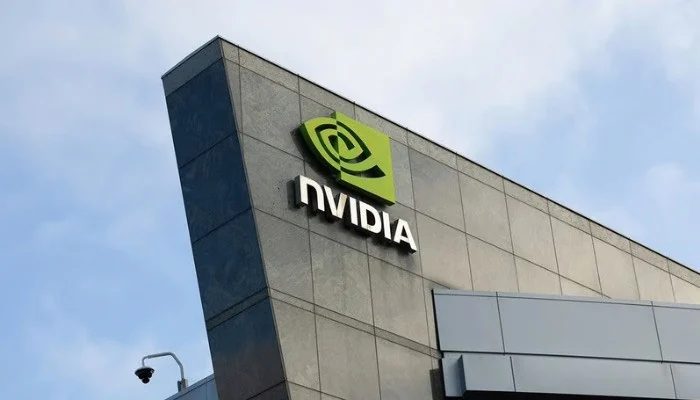
Nvidia shares plunged 14 percent on Friday, November 20, marking a seventh consecutive weekly decline and the company's longest losing streak since 2008.
- Nvidia stock fell 46 percent over seven weeks, losing .6 trillion in market value.
- Interim CEO Colette Kress reported 5.8 billion in revenue and raised fiscal 2028 growth guidance.
- The company dropped to fourth place behind Apple, Microsoft, and Alphabet.
Nvidia Leadership Crisis
The stock rout began before co-founder Jensen Huang resigned on November 12. His departure followed controversy regarding his personal conduct, specifically an alleged affair with a Chinese businesswoman suspected of espionage. The decline accelerated after reports emerged that the Securities and Exchange Commission began exploring potential accounting issues at the firm.
Interim CEO Colette Kress, who previously served as the longtime CFO, attempted to stabilize investor confidence by delivering strong financial results. She reported adjusted earnings of $2.68 per share on $115.8 billion in revenue, figures that beat analyst estimates. Kress also raised the fiscal 2028 growth guidance to 75 percent. During a call with analysts, she stated, "We've got this." Despite these numbers, the stock price continued to fall.
Market Valuation and Succession
New chairman Harvey Jones struggled to address questions regarding the company's succession plan. His inability to provide a clear timeline for the appointment of a permanent CEO left investors uncertain. Seaport Research Partners analyst Jay Goldberg noted that the company's structure relied heavily on the former leader. Goldberg stated, "I don't know that any internal candidate is capable of running the whole company. Jensen famously built the structure of the company around himself. I don't think anyone internally has as complete a view of the company as Jensen does."
The company currently trades at roughly 8.4 times forward earnings, a valuation significantly lower than AMD's 29 times forward earnings. Some market observers argue the selloff went too far given Nvidia's dominant position in the artificial intelligence sector. However, broader market concerns continue to compound the slump. Investors expressed skepticism regarding the long-term sustainability of AI spending and raised concerns about rising competition from Google and AMD. For now, the possibility of a rebound depends less on the company's chip technology and more on whether Wall Street trusts the next permanent leader.