
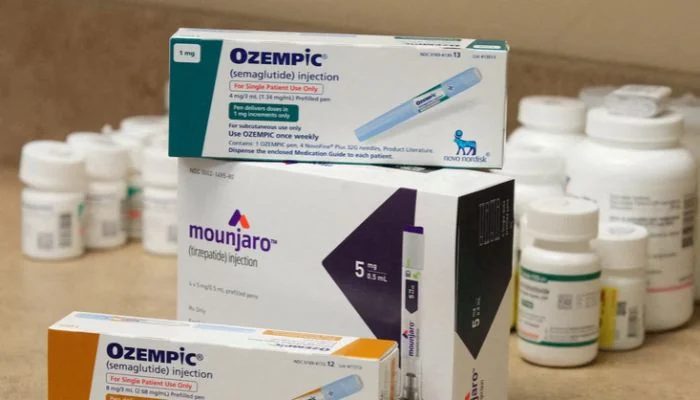
The U.S. Food and Drug Administration (FDA) has announced that GLP-1 receptor agonist drugs used for weight loss and diabetes must carry warnings regarding a rare risk of vision loss. The agency informed patients and healthcare providers on Monday, November 9, of a potential increased risk of non-arteritic anterior ischemic optic neuropathy (NAION), a serious eye condition.
The requirement applies to Eli Lilly's Mounjaro and Zepbound, as well as Novo Nordisk's Ozempic and Wegovy. Manufacturers must add information about the potential risk to the "Warnings and precautions" section of product labeling.
NAION is a common cause of sudden, painless vision loss and may lead to permanent sight impairment in some cases. It results from decreased blood flow to the front part of the optic nerve, though the underlying cause remains incompletely understood.
The FDA stated it assessed clinical trial data, animal data, and post-marketing data, including observational studies and case reports. Both manufacturers responded to the development.
An Eli Lilly spokesperson noted that the FDA's communication applies to all medicines with GLP-1 RA activity and does not reference findings specific to Lilly medicines, adding that the company is evaluating the update. Novo Nordisk stated it continues to believe the data does not establish a cause-and-effect relationship and remains confident in the benefit-risk profiles of its medicines.
The European Medicines Agency's safety committee previously stated that NAION may affect up to 1 in 10,000 people taking semaglutide for at least one year. A large 2025 study tracking nearly 175,000 diabetic patients found the risk of NAION more than doubled after two years of GLP-1 treatment compared with other diabetes medicines.
Health experts emphasize that while the risk is statistically rare, patients experiencing sudden vision changes should seek immediate medical attention. The FDA continues to monitor the situation as more long-term data becomes available.
The pharmaceutical industry remains under scrutiny as these drugs gain global popularity. Regulatory bodies worldwide are expected to review their own guidelines in light of the FDA's latest safety update.