
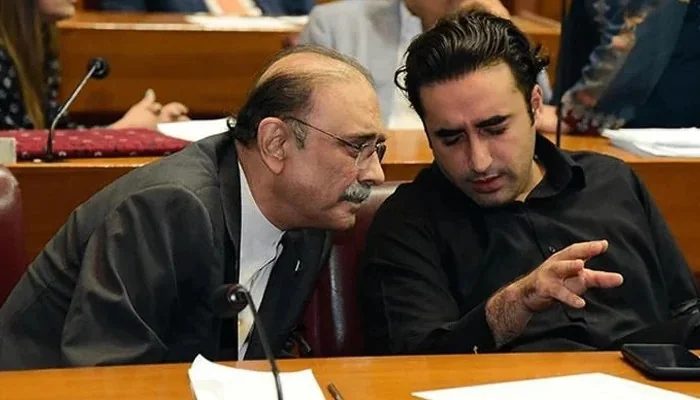
President Asif Ali Zardari's constitutional role in a potential referendum on new provinces was clarified in Islamabad on Tuesday.
- President must act on Prime Minister's advice.
- Article 48(6) allows PM to refer matters to joint sitting.
- Article 239(4) requires provincial assembly approval for boundary changes.
Constitutional Framework
The debate over holding a referendum on the creation of new provinces brought the President's duties under Articles 48 and 54 into focus. Article 48(1) required the President to act in accordance with advice from the Prime Minister or the cabinet, though he could ask for reconsideration. If the advice was reiterated, the President was bound to comply. Article 48(6) stated that if the Prime Minister deemed a referendum necessary on a national issue, he could refer the matter to a joint sitting of Parliament. Upon approval by the joint sitting, the Prime Minister could then cause a referendum, framing the question so that voters could answer Yes or No.
Article 54(1) gave the President the power to summon both Houses of Parliament for a joint sitting. Together with Article 48(1), this meant the President played a constitutional role in convening the joint sitting, acting on the Prime Minister's or cabinet's advice. The President could not independently initiate or order a referendum under Article 48(6), but his office remained part of the process that could lead to a joint sitting.
Even if a referendum passed and voters favored new provinces, Article 239(4) would still apply. That article required any amendment altering a province's boundaries to be approved by the concerned provincial assembly with a two‑thirds majority of its total membership.
Political Implications
The issue carried particular political significance because the Pakistan Peoples Party (PPP) strongly opposed any proposal that could divide Sindh. Zardari's position as President, coupled with his long‑standing association with the PPP, could make him a key figure in reconciling differences within the ruling coalition. A strategy that pushed the proposal forward might put parties resisting the new provinces in a difficult position, especially if the government portrayed opposition as contrary to popular sentiment.
In summary, the constitutional provisions outlined the President's limited but essential role in the referendum process, while the political dynamics highlighted the PPP's reservations and the potential challenges for parties opposing the creation of new provinces.