
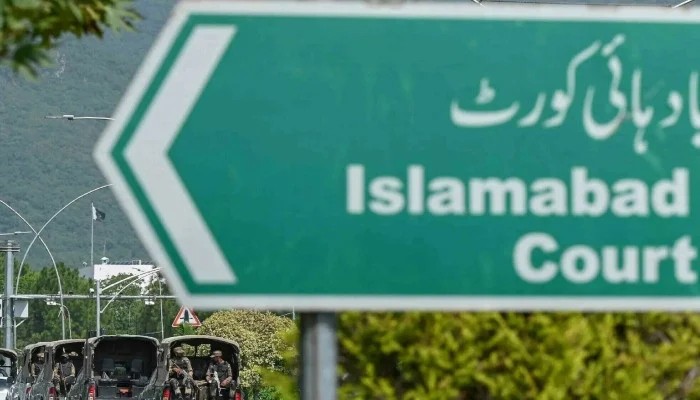
The Islamabad High Court (IHC) on Monday ordered provinces to prevent the use of state machinery for protests while disposing of a petition challenging the Pakistan Tehreek-e-Insaf (PTI) planned September 27 long march towards Islamabad. A three-member bench headed by IHC Justice Sardar Muhammad Sarfraz Dogar heard arguments from the parties, including the Islamabad attorney general and the petitioner's counsel. In its verdict, the court directed the provincial chief ministers to ensure that government vehicles, machinery, funds and other equipment are not used for marches, processions or rallies. It further ordered that no government employee should be forced to participate in a protest, while directing provincial governments, the Islamabad administration and relevant authorities to ensure citizens' constitutional rights were protected during marches, rallies and demonstrations.
The court ruled that no political party or leader had a legal right to occupy roads, highways or other public places. It also said political parties or leaders could not obstruct citizens' freedom of movement, directing the Islamabad administration and interior ministry to ensure protection of citizens' constitutional rights. The IHC also issued directions to the federal secretary interior, chief commissioner, and inspector general of Islamabad. The PTI has announced nationwide protests and a long march towards the federal capital on September 27 to demand the release of jailed party founder Imran Khan.
During today's proceedings, the Islamabad attorney general argued that the PTI brought government machinery during previous long marches and claimed there was no indication that its proposed march would remain peaceful. The attorney general referred to statements and sought permission to play videos from PTI's November 2024 protest before the court. The IHC bench subsequently allowed the videos to be shown, displaying Islamabad police preparations, clashes, damage to public property, and incidents involving law enforcement personnel.
The attorney general argued that citizens have fundamental rights, but said those rights are subject to conditions where peace and national security are concerned. He said anyone seeking to hold a protest or organise a long march in Islamabad would have to apply to the magistrate and provide details of the march. He also maintained that placing containers in Islamabad was lawful and that the federal government could declare any area of the capital a Red Zone, stressing that protests must be conducted strictly according to law.