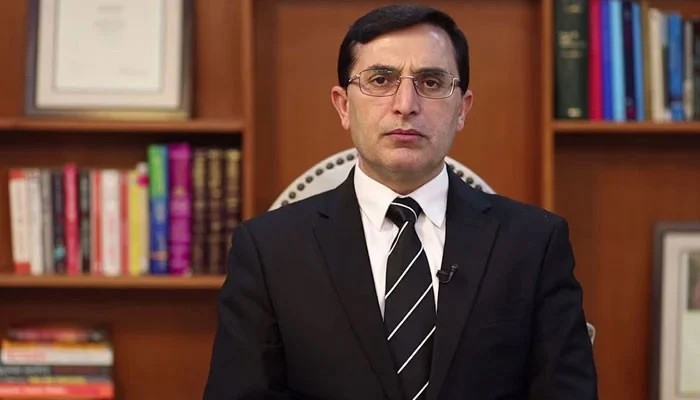
Pakistan Tehreek-e-Insaf Chairman Barrister Gohar Ali Khan on Tuesday declared that the party's call for a nationwide protest on September 27 remained final and non-negotiable, stating that the political entity had been pushed to the brink by systemic restrictions. Speaking to the media near the Dahgal checkpoint outside the Adiala jail, he emphasized that escalating political tensions stemmed directly from the authorities' refusal to permit regular meetings with jailed Pakistan Tehreek-e-Insaf (PTI) founder Imran Khan, a level of treatment he characterized as unprecedented for any political prisoner in the nation's history.
He said had open lines of communication been preserved, the overall political climate could have seen a marked improvement. Gohar directed sharp criticism towards the judiciary, asserting that courts have consistently failed to deliver justice or enforce their own directives. He noted that while the pre-26th Amendment judiciary failed to guarantee timely elections, the current judicial setup was unable to facilitate even a single meeting between Imran Khan and his party leadership.
Despite multiple petitions remaining pending before the Supreme Court, explicit judicial orders regarding Khan's medical evaluation and visitation rights continue to be ignored by administration officials. Addressing reports of state action, the Pakistan Tehreek-e-Insaf (PTI) chairman condemned ongoing crackdowns and pre-emptive arrests of party activists ahead of the scheduled demonstration. He defended the constitutional right of citizens to hold peaceful rallies, assuring that participants would carry no weapons, slingshots, or batons.
With parliament unresponsive and the judicial system failing to offer recourse, Gohar framed the planned street demonstrations as the sole remaining avenue for the party to redress grievances. On defence and national security matters, Gohar unequivocally condemned terrorism, called for the complete execution of National Action Plan and clarified that internal institutional appointments - including those within the armed forces and National Counterterrorism Authority - had never been questioned by the Pakistan Tehreek-e-Insaf (PTI).
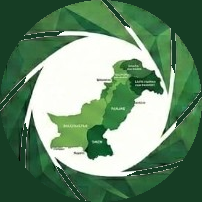
Regarding electoral governance, he urged the prime minister to initiate consultations with the opposition leader to select a new chief election commissioner, highlighting that the incumbent's tenure lapsed in January 2025. Gohar touched upon broader constitutional and regional issues, cautioning against rushed proposals to divide the existing provinces. Pointing to India's Uttar Pradesh as an example of a high-population administrative unit, he warned that altering provincial boundaries based strictly on demographic numbers could threaten federal stability.
He criticised the Punjab chief minister for issuing polarising statements regarding terrorism in Khyber Pakhtunkhwa, warning that internal blame games undermined the state narrative consistency regarding foreign intelligence interference.