
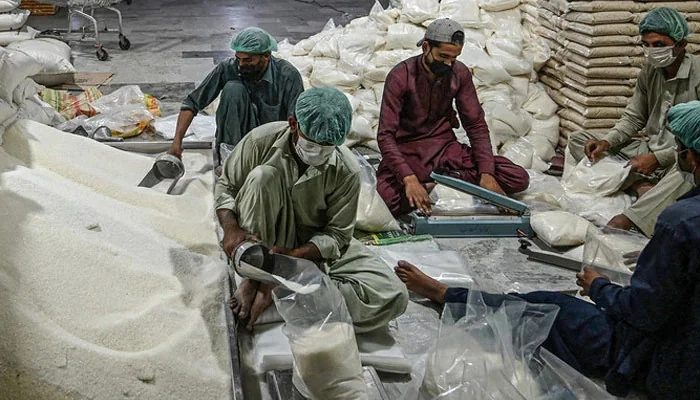
The federal cabinet approved the Sugar Deregulation Policy on Tuesday, ending decades of state control over the national sugar industry to establish a market-based system.
- The policy removes government restrictions on sugar pricing, production, inter-provincial movement, and trade.
- All provincial governments, including Punjab and Sindh, unanimously agreed to implement the new regulatory framework.
- The government will end export subsidies and introduce a transparent mechanism for sugar imports and exports.
Sugar Deregulation Policy Details
The federal government decided to transition the sugar sector from administrative control to a competitive, market-based model. This reform aims to resolve long-standing issues such as cane pricing disputes, supply shortages, and price volatility. Under the new policy, sugarcane farmers possess the freedom to sell their crops to any buyer, with prices determined by market mechanisms rather than government mandates. The policy also removes existing restrictions on the establishment of new sugar mills and the approval of production capacities, allowing millers to adjust operations based on market demand.
The government prepared the policy after consultations with all stakeholders and provincial authorities. Officials stated that the reform package seeks to increase business opportunities and industrial efficiency. By removing regulatory barriers, the government intends to facilitate the inter-provincial movement of sugar and promote free trade. Furthermore, the administration plans to implement measures to improve access to loans for both farmers and millers, while promoting farm mechanization to boost agricultural productivity.
Market and Industry Reforms
The new framework introduces a predictable system for international trade, specifically ending subsidies on sugar exports. To further modernize the sector, the government committed to making ethanol blending mandatory and developing commodity markets to ensure transparent price determination. These steps aim to create a level playing field for growers, millers, traders, and exporters.
The unanimous endorsement from all provinces marks a significant shift in how Pakistan manages its sugar supply. Historically, the sector faced frequent crises involving delayed payments to farmers and sudden, ad hoc decisions regarding imports and exports. By moving away from these interventions, the government aims to attract new investment and foster industrial competition. The official announcement described the policy as a move to transform the industry into a center of productive capacity. While the policy removes administrative hurdles, the government intends to maintain oversight to ensure the market functions effectively. The success of this transition now rests on the implementation of these reforms and the ability of the market to provide competitive prices for farmers and stable supplies for consumers without the emergence of new monopolies.