
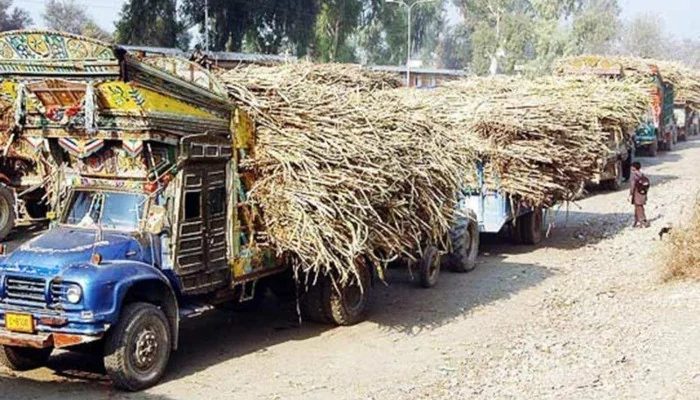
The Pakistan Sugar Mills Association (PSMA) on Wednesday decided by consensus that the new crushing season would not be started before December. The consensus in this connection emerged during a meeting of the PSMA General Body held simultaneously in Lahore, Karachi and Islamabad.
Attending the meeting, mill owners from Punjab, Sindh and Khyber Pakhtunkhwa said the country still had a huge surplus of sugar. Even after the approved export of 200,000 tonnes, about 1.1 million metric tonnes of surplus still lies in godowns across the country.
They said the government had not yet allowed the export of the agreed quota and in the given situation, the new crushing season could not be started. The meeting gave full powers to the executive committee to approach the government with two clear demands.
These demands include early permission to export 400,000 metric tonnes of surplus sugar, and the immediate announcement of the long-awaited deregulation policy for the sugar sector to protect the local industry from massive financial losses. The general body said deregulation had now become unavoidable for the survival of sugar mills.
Another big surplus is expected by the end of the 2026-27 crushing season if the current production trends and market conditions persist. Without timely action from federal and provincial authorities, stocks will keep piling up in warehouses and the financial pressure on the industry will increase manifold, making it impossible to pay timely dues to cane growers.
The meeting also decided that mill owners will hold a comprehensive press conference in Lahore on November 16 to announce their future course of action and expose the hurdles being created by unnecessary bureaucratic delays. It was also proposed that PSMA write a formal letter to the deputy prime minister and seek an urgent meeting to inform him about the severe financial challenges facing the sugar industry and sugarcane farmers alike.
Industry representatives warned that delaying decisions on exports and deregulation would trigger a severe cash flow crisis, ultimately hurting the agricultural economy and delaying payments to farmers who rely heavily on timely crushing. The association reiterated its commitment to resolving the crisis through dialogue but maintained that strict adherence to the December start date is final until the government issues written notifications on their core demands.