
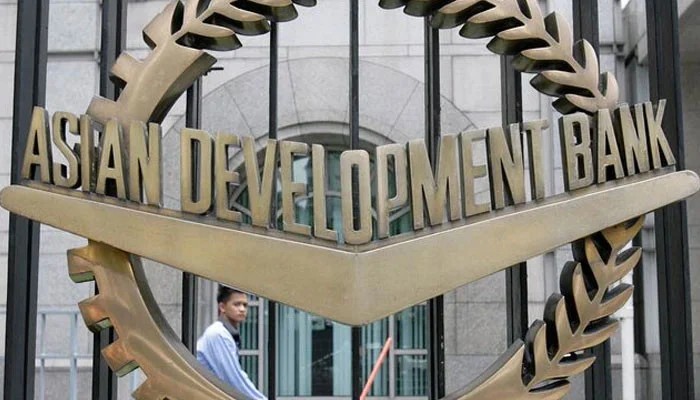
The Asian Development Bank (ADB) has urged Pakistan to broaden its narrow tax base and announced an expansion of its loan with an additional $200 million to modernise the country's revenue administration. Addressing a Dialogue on Tax and Fiscal Sustainability in Pakistan here on Thursday, the ADB's visiting Vice President for South, Central and West Asia, Yingming Yang, stated that the Transforming and Digitalising Revenue Administration Project was expected to be considered by the bank's board this year.
The project would support the implementation of the Federal Board of Revenue's transformation agenda through investment in digital infrastructure, modernisation of tax and customs systems, advanced data analytics, artificial intelligence-enabled compliance, stronger cybersecurity and institutional development. He said Pakistan had reached an important stage in its economic reform journey after making considerable progress in restoring macroeconomic stability and strengthening resilience under challenging circumstances. He added that the next phase would depend on the country's ability to mobilise domestic resources efficiently, equitably and sustainably.
"Pakistan's tax reform agenda is gaining momentum," he said, adding that the Prime Minister's Federal Board of Revenue (FBR) Transformation Plan and the new tax operating model marked an important step towards developing a modern, technology-enabled and taxpayer-centric revenue administration. If implemented successfully, the reforms could strengthen compliance, improve services for taxpayers, reduce discretionary interventions and enable the Federal Board of Revenue (FBR) to use integrated data and risk-based approaches for revenue mobilisation, he noted.
The ADB official said domestic resource mobilisation should not be viewed merely as a fiscal target, because stronger revenues enable governments to invest in people, infrastructure, public services and economic resilience. Higher domestic revenue would also create fiscal space and reduce Pakistan's dependence on debt and external financing, he said. He identified the narrow tax base, widespread informality and low compliance as major challenges confronting Pakistan's revenue system and stated that overcoming them was critical for sustainable economic development.
The vice president said the ADB had placed domestic resource mobilisation at the center of its engagement with Pakistan. Through its Improved Resource Mobilisation and Utilisation Reform Programme, the bank had supported measures to broaden the tax base, strengthen tax policy, enhance transparency and improve public financial management. He welcomed the establishment of the Tax Policy Office within the Ministry of Finance, saying it could strengthen analytical capacity and promote evidence-based tax policymaking.
An efficient system should have a broad tax base and limited exemptions to reduce economic distortions, lower compliance costs and support private-sector growth, he concluded. A fair system should distribute the tax burden more evenly, protect vulnerable sections of society and reflect each taxpayer's capacity to pay.