
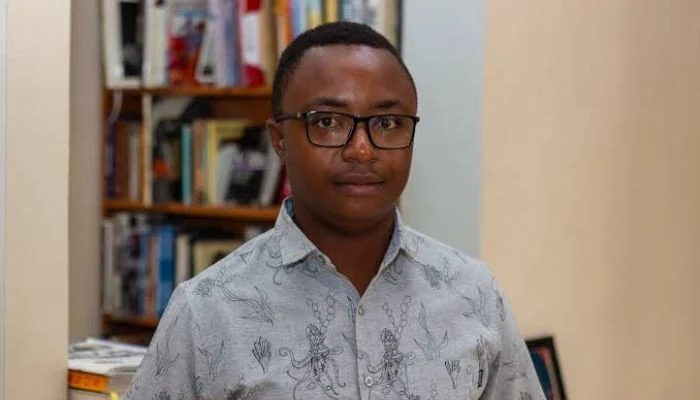
Zimbabwean author Simbarashe Kundizeza retained his £10,000 Caine Prize for African Writing on November 12, 2026, after an investigation cleared him of using artificial intelligence. Kundizeza won the award on October 6 for his short story, "The Blue Fighter," which he wrote based on his family's financial struggles.
Five days later, journalist Vauhini Vara published an article claiming that the detection tool Pangram flagged almost the entire story as AI-generated. The software identified only an excerpt from another author's poem as human-written.
Kundizeza denied the allegations. The prize organisers hired an independent digital forensic investigator to review the metadata of Kundizeza's drafts.
The investigation uncovered four separate Word documents that accounted for 27 hours of writing and editing time. Records showed that Kundizeza began the story in April 2025 and finished it two months later.
Investigators also interviewed the judges and the publisher who originally released the work. The Caine Prize announced its findings on Wednesday, stating that AI detection tools alone do not provide a reliable basis for determining authorship.
The controversy prompted a broader debate regarding whether these detectors disproportionately flag works by African writers. While confirming Kundizeza as the winner, the organisers announced that all future shortlisted authors and their publishers must submit AI-use declarations starting next year.