
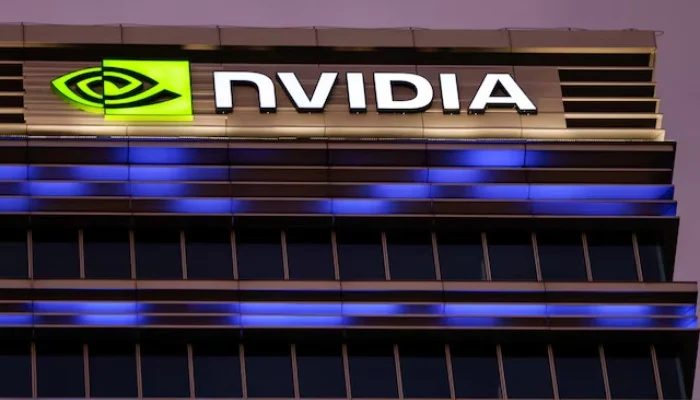
Nvidia's leadership turmoil in New York on Nov. 17 triggered a funding squeeze for AI‑focused neocloud firms. CoreWeave bonds fell from a 9.625% yield to nearly 15%.
- Nvidia's leadership turmoil on Nov. 17 sparked a funding squeeze for AI‑focused neocloud firms.
- CoreWeave's bonds saw yields rise from 9.625% to nearly 15% as their price fell.
- Nebius's convertible bonds dropped to 70 cents on the dollar, pushing yields above 12%.
Nebius convertible bonds dropped to 70 cents on the dollar, sending yields above 12%. Analysts warned a more cautious Nvidia could widen credit gaps for weaker AI borrowers.
Institutions
Leadership Uncertainty: Bond investors said the uncertainty over who might succeed chief executive Jensen Huang raised questions about Nvidia's willingness to continue vendor financing, guarantees and other support for its ecosystem. Loren Moran, fixed‑income portfolio manager at Wellington Management, told reporters, "It's fair to say that anyone who takes over is going to have a lower risk threshold than Jensen when it comes to Nvidia's balance sheet." She added, "There may just be a lot less credit availability towards weaker players."
Markets
Neocloud Bond Slump: CoreWeave's June‑issued bonds, which carried a 9.625% yield, plunged in value last week, pushing the effective yield to almost 15%. The company's shares fell 45% after the Nasdaq set a record on Oct. 6, even though CoreWeave said on its earnings call that it could finance operations by borrowing against its chips.
Nvidia remained a shareholder and buyer of last resort for CoreWeave's unsold cloud capacity through April 2032 under a $6.3 billion order. Nebius's convertible bonds, issued in August at a 4.5% yield, dropped to 70 cents on the dollar on Friday, sending yields above 12%.
Nvidia announced in March that it would invest $2 billion in Nebius, taking an 8.3% stake. Nebius stock fell 57% since Oct. 6.
Tony Trzcinka, investment‑grade portfolio manager at Impax Asset Management, said, "Nvidia's contracts and existing guarantees should not change with Jensen Huang's departure." He warned, "It's all about whether Jensen's successor would want to be as adventurous in going into all these different arrangements."
Wider Financing Disparity: Wellington's Moran expressed concern about Nvidia's huge financial commitments across the AI space and believed a reduced appetite for risk could "clip some of that tail." Analysts said a more conservative Nvidia could widen the disparity between investment‑grade borrowers and lower‑rated companies that rely on private credit, leveraged loans and high‑yield debt markets.
Alphabet and Microsoft appeared best positioned to weather the shift because of their strong balance sheets, which allow them to fund data‑centre construction internally. "Most of their AI spending comes from internal cash flow and debt markets," said Danny Zaid, portfolio manager at TwentyFour Asset Management, adding that this pattern was "unlikely going to change in the near term with the strong AI momentum expected to continue."
Policy
Market observers note that the broader technology sector is bracing for stricter capital allocation as central banks maintain elevated interest rates globally. This structural shift is forcing tech giants and their suppliers to reevaluate long-term growth projections and capital expenditure strategies.