
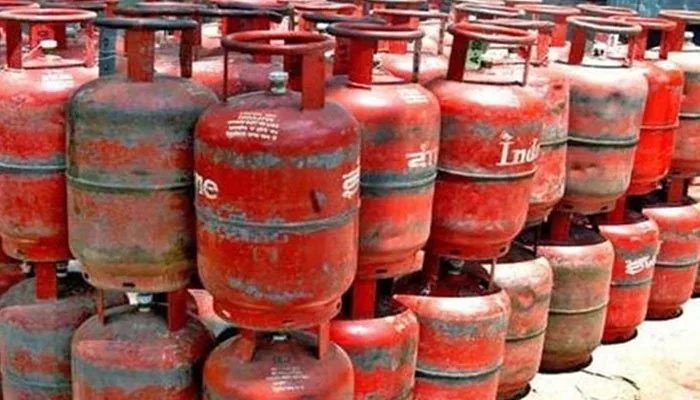
Islamabad officials announced reforms to stabilize LPG prices and supply amid rising demand and import dependence.
- LPG demand grew 7.5% annually over six years.
- Local production projected at 1.35 million tons by 2032‑33.
- New reforms aim to curb price manipulation and improve safety.
Supply and Demand
Pakistan used 2.4 million metric tons of LPG last year, and demand increased 7.5 percent annually over the past six years. Analysts projected consumption could reach 4.16 million tons by 2032‑33, while local production is expected to rise only to 1.35 million tons. Imports would therefore have to cover the gap, exposing the market to risks such as the closure of the Strait of Hormuz and U.S. sanctions on Iran's energy sector. Closed trade routes on the western border further limited supply.
Reform Measures
The Petroleum Division directed the sector regulator to act against hoarding, artificial shortages and unjustified price hikes. New exploration leases were granted, and the reopening of the JJVL Plant increased domestic output. The division is arranging supplies through government‑to‑government talks and exploring new sources in Africa and the United States. Discussions also took place with Turkmenistan, Russia, Oman, Qatar and Saudi Arabia.
Officials noted that terminal storage holds about 14,000 tons and land storage about 86,000 tons, a bottleneck that limits supply flexibility. A policy requirement forces producers to give 10 percent of local LPG to state‑owned marketing companies at the producer price, ensuring steady supplies to remote and underserved areas. A cabinet summary has been moved for wider reforms.
Under a proposed import parity pricing system, the government would stop fixing margins and freight costs. The Competition Commission of Pakistan and OGRA would monitor the market instead, a move intended to attract more imports at competitive prices and curb price manipulation.
Safety and Regulation
A proposal sent to the Prime Minister's Office would grant OGRA and the National Environmental Protection Agency stronger powers to inspect LPG handling and punish violations. The proposal includes fines and licence suspensions for illegal decanting, which endangers lives. A track‑and‑trace system would help prevent artificial shortages. The difference between the notified producer price and the final auction price would feed a dedicated fund to subsidise LPG for vulnerable consumers or stabilise prices. A transparent mechanism for the fund is under development.
For households like Najma Begum's, the aim is plain: steadier supplies, fewer price shocks and safer fuel at home. The reforms, many of which await approval, promise to bring relief to millions of families that rely on LPG for cooking.