
Business confidence in Pakistan fell sharply in September‑October 2026, according to a survey by the Overseas Investors Chamber of Commerce and Industry (OICCI).
- Overall confidence dropped 36 points, from +13% to · 23%.
- Foreign investors' sentiment fell 55 points, reversing their usual advantage.
- Retail and wholesale sectors recorded the steepest decline, 45 points.
Business Confidence Declines
The OICCI survey, conducted across Pakistan in September and October 2026, measured sentiment among businesses that collectively represented nearly 80 percent of the country's GDP. The overall confidence index fell 36 percentage points, moving from a positive 13 percent in the previous survey to a negative 23 percent. Confidence among OICCI members declined 55 points, from a positive 28 percent to a negative 27 percent, marking a reversal of the historical trend in which foreign investors maintained higher confidence than the wider business community.
Sectoral Impact
All three major sectors turned negative. Retail and wholesale confidence fell 45 points, from +20 percent to · 25 percent. Manufacturing confidence declined 34 points to · 25 percent, while services fell 31 points to · 17 percent. Capital investment sentiment dropped 16 points, from +2.0 percent to · 14 percent, and employment expectations fell 23 points to · 6.0 percent. Business expansion expectations remained marginally positive at 3 percent, a 27‑point decline from the previous survey.
Investor Sentiment
Seventy‑eight percent of respondents gave a negative assessment of Pakistan's business conditions over the preceding six months, up from 47 percent in the earlier survey. Forty‑four percent expect conditions to deteriorate over the next six months, compared with 34 percent previously, while only 23 percent anticipate improvement, down from 47 percent in May 2026.
Policy Implications
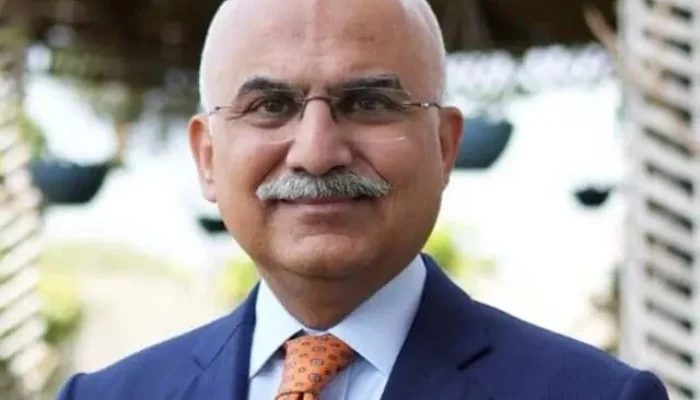
OICCI President Umar Ahsan Khan said the survey should signal policymakers that Pakistan must address structural issues to attract investment. "Businesses need a predictable policy environment, competitive taxation, affordable and reliable energy, and greater consistency in government decisions," he said. OICCI Secretary General M Abdul Aleem expressed concern over the sharp decline among its members, noting that foreign investors traditionally maintained a stronger outlook. He added that the reversal warrants serious attention and that domestic business environment challenges must be addressed promptly.
The survey identified rising inflation and high taxation as the two biggest threats to growth, cited by 84 percent and 81 percent of respondents, respectively. Energy costs and fuel price adjustments also emerged as significant concerns. The OICCI said it will continue to engage with the government and stakeholders to develop practical measures to restore business confidence and support sustainable, private‑sector‑led economic growth in Pakistan.