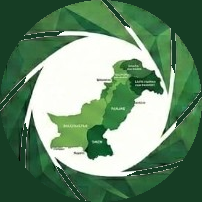
Over the past two years, the Balochistan government has spent more than Rs300 billion on education. Yet the province continues to record one of the country's lowest literacy rates. The stark gap suggests that increasing education spending alone has not been enough to overcome Balochistan's educational crisis. Balochistan is Pakistan's largest province by area, covering 347,190 sq-km, but the smallest by population, with about 14.9 million people.
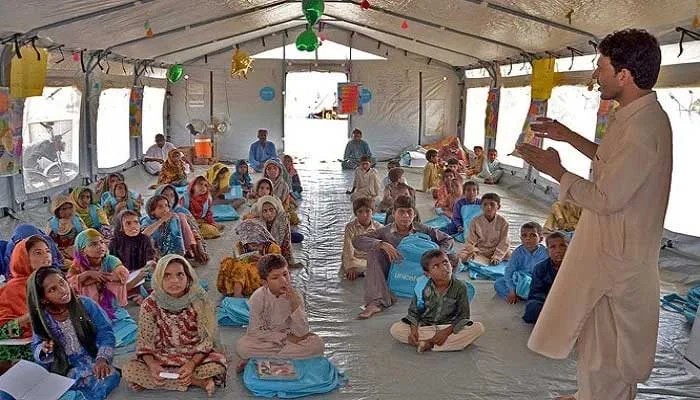
Despite billions of rupees allocated to education every year, along with foreign funding aimed at improving its underdeveloped education system, access to schools and the quality of education remain major challenges. The scale of the problem is particularly visible in the province's scattered settlements. Nazar Khan Barech, an educationist, said only about 12,000 of Balochistan's 23,000 settlements have access to schooling facilities, leaving thousands without schools.
An opposition leader in the Balochistan Assembly, Maulana Hidayatur Rehman, was of the view that the province was facing serious educational backwardness, with a large number of children still out of school. However, there has been some progress. According to the Pakistan Bureau of Statistics, Balochistan's literacy rate has risen from 43% to 49% over the past five years. But the improvement has done little to close the gap with other provinces, while disparities within Balochistan remain striking.
Kech district of Balochistan has the province's highest literacy rate, at 63%, while Washuk district has the lowest, at just 21%. The disparity is particularly stark in Dera Bugti, the home district of Balochistan Chief Minister Sarfraz Ahmed Bugti, where the overall literacy rate is 24% and female literacy stands at only 10%. Experts emphasize that overcoming this crisis requires more than budget allocations, demanding strict monitoring, teacher attendance, and improved primary enrollment.