
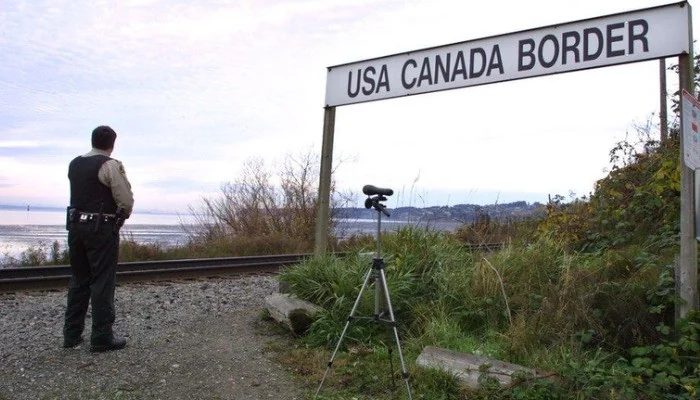
Canada ended its Remote Area Border Crossing program on Dec. 1, 2026, forcing American travelers to report at staffed crossings or via telephone.
- About 11,000 Americans used the program annually.
- Permits cost C and covered applicants and family members.
- New rules require reporting at each crossing or by telephone.
Program Termination
The Canada Border Services Agency announced on Nov. 28 that the Remote Area Border Crossing (RABC) program would end on Dec. 1, 2026. Existing permits expired at 11:59 p.m. on Nov. 30, and CBSA said no extensions would be granted.
Reporting Requirements
The program had served about 11,000 travelers each year, roughly 90 percent of whom were Americans.
RABC had allowed eligible U.S. and Canadian citizens and permanent residents to cross into Canada through remote zones without reporting at a staffed border. Permits cost C$30 and covered the applicant and qualifying family members.
Under the new rules, travelers had to report to a border officer every time they crossed, either in person at a port of entry or by telephone at a designated reporting site.
Impact on Travelers
The affected zones included the Northwest Angle of Minnesota, the Pigeon River to Lake of the Woods, the Canadian shore of Lake Superior, and the upper lock system at Sault Ste. Marie and Cockburn Island. CBSA planned more than 20 telephone reporting stations, 17 already activated at marinas, government dock facilities, fishing resorts, and boat launch locations.
A reporting station referred to a specific entry point, not an entire lake, and seasonal closures required winter campers and end‑of‑season paddlers to seek alternate routes. Travelers were advised to remain inside or on their vehicle · boat or snowmobile · until cleared by border services officers.
NEXUS members could call CBSA only if they had between half an hour and four hours before arriving at the point of entry. Failure to report could result in fines of at least C$1,000, seizure of goods or vehicles, and possible criminal charges under the Customs Act.
The cancellation of the RABC program means that all travelers entering Canada through the specified remote areas must now report at a staffed border or via telephone, and non‑compliance carries significant penalties.