
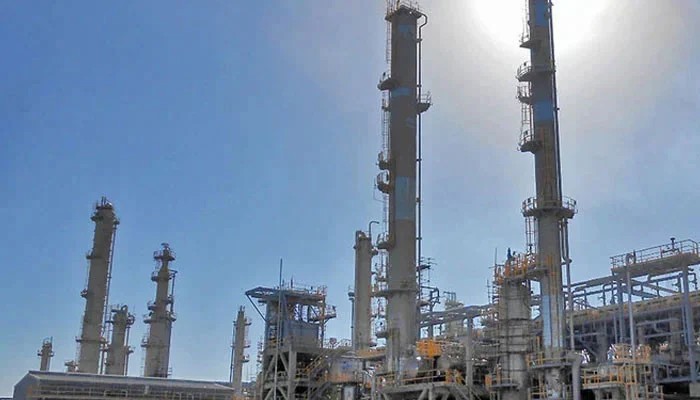
The government's push to deregulate petroleum prices has brought the country's refinery sector to a policy crossroads, with industry experts arguing that the government must now choose between allowing market forces to determine refinery economics or continuing with an increasingly complex system of deemed duties, incentives, escrow accounts, and administrative controls. The debate has gained urgency as the government moves to finalise long-delayed Brownfield Refinery Policy agreements while simultaneously considering greater deregulation of petroleum-product prices.
Industry and government sources noted that under a deregulated model, experts believe the government could gradually withdraw from determining refinery returns through tariff protection and instead establish clear fuel-quality, environmental competition, and supply-security requirements. Existing refineries could be provided with a defined six-to-seven-year transition period to complete their upgrades and meet prescribed standards. Refineries that fail to upgrade within the stipulated period could ultimately face regulatory action, including the loss of their licences, experts suggested.
The proposed approach would fundamentally change the government's role. Rather than protecting refinery margins through deemed duties and subsequently determining how portions of those revenues are deposited and utilised via escrow arrangements, regulators would focus on ensuring that refiners invest, meet fuel specifications, and compete effectively. A source said that the government should establish a transparent transition towards deregulation instead of simultaneously deregulating one part of the market and increasing controls over another.
The issue has become particularly pressing because the government is currently seeking to impose a 2.5 percentage-point reduction in deemed duty on High-Speed Diesel - from 7.5 percent to 5 percent - with the financial impact on refineries estimated at around 29 to 30 billion rupees. Refineries have rejected the retrospective application of the reduction, arguing that they were ready to sign the implementation agreements, but the government failed to hold the signing ceremony on October 22, 2024.