
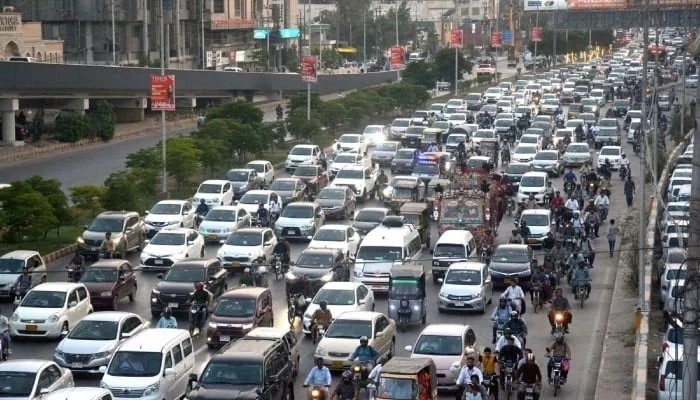
As I write this on September 17, petrol in Pakistan costs Rs391.22 a litre and diesel Rs421.45. These prices are 51.5 and 52.9 per cent above their mid-February levels. Compared to mid-February, someone buying one litre of petrol in Pakistan is spending another Rs4000 over a month.
Likewise, commuters using public transport have to pay an additional fare due to the diesel price hike. Diesel prices also affect the cost of delivering goods to markets. Energy-led inflation, amid stagnant incomes, is squeezing households' budgets.
Earlier this week, the prime minister announced a Rs100-per-litre discount on monthly quotas of 20 litres for eligible motorcycles and three-wheelers and 30 litres for cars up to 800cc. Buyers using their full quotas would save Rs2,000 and Rs3,000, respectively. This relief is announced for the next three months.
Too late, too little, but even then it is an appreciated gesture. However, one also needs to consider targeted relief for households that don't own personal conveyance and rely on public transport. Compared with its South Asian neighbours, Pakistan had the cheapest petrol in mid-February.
Using exchange rates prevailing then, petrol cost about 92 US cents a litre in Pakistan, against $1.04 in Delhi, 95 cents in Bangladesh and 94 cents in Sri Lanka. Petrol has since risen by 47US cents a litre in Pakistan, pushing its price above those in Delhi, Bangladesh and Sri Lanka. That said, Pakistan is not the only country where fuel prices have increased.
Between mid-February and September 16, Delhi's petrol and diesel prices rose by 7.8 and 8.6 per cent. Sri Lanka's increases were 36.6 and 37.9 per cent; Bangladesh's were 20.7 and 15 per cent. Let us zoom in on the factors driving the differences in prices across these countries.
On March 27, India cut central excise duty by ten Indian rupees a litre on both fuels. The tax reduction helped oil companies cover losses from selling below their supply costs. In early September, ICRA estimated marketing losses of about five Indian rupees per litre of petrol and 23 on diesel.
India imports crude from several suppliers and refines it at home. With a listed refining capacity of 267 million tonnes annually, Indian oil companies that both refine and sell fuel can use refining profits to cover losses at their pumps. Sri Lanka's August calculation shows that diesel is subsidised by LKR46 per litre.
Its formula price is LKR428.88, while the pump price is LKR382. Petrol broadly recovered its calculated cost and is sold without subsidy. According to official numbers, subsidised fuel prices had cost the Bangladesh Petroleum Corporation Tk200.6 billion between March and July.
The corporation has withdrawn Tk170 billion from refinery expansion and other project accounts to maintain imports. Diversion of funds saved Bangladeshi consumers to some extent. In Pakistan, duties and levies on petrol rose from Rs100.21 a litre in February to Rs106.15 in September; diesel charges rose from Rs94.39 to Rs100.68.
During this period, duties and levies had increased by roughly Rs6 per litre. However, pump prices have increased by Rs126 and Rs140. With an installed refining capacity of 22 million tonnes per annum, Pakistan imports a significant volume of fuel as refined fuel.
Gulf-refined product price, freight, insurance and refined fuel costs are among the factors driving the fuel price hike in Pakistan. Pakistan's calculation uses a rolling average of seven working days of Gulf prices for finished petrol and diesel. Following the daily pricing mechanisms, the government passes changes in Gulf quotations into its daily price revisions.