
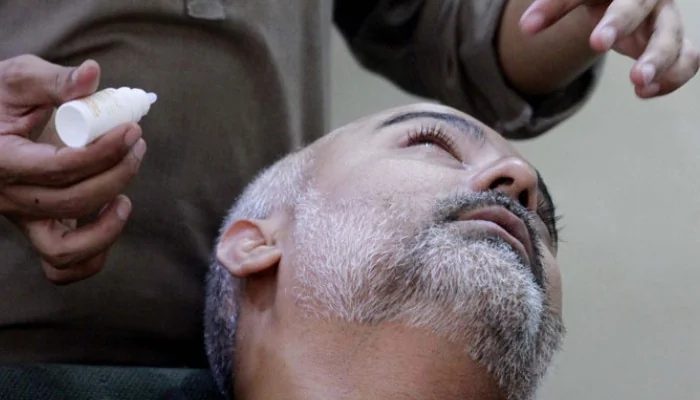
The Department of Ophthalmic Genetics at Al-Shifa Trust Eye Hospital in Rawalpindi identified over 50 genetic conditions in 225 families during the past 18 months.
- Researchers analyzed 297 individuals from 225 families using specialized DNA testing.
- The department established a functional genetic laboratory to address undiagnosed inherited conditions.
- Services include genetic counseling, prenatal testing, and the creation of a local patient database.
Genetic diagnosis at Al-Shifa
Dr. Rutaba Gul led the department as it processed referrals from more than 30 doctors across various hospitals and cities. The facility utilized specialized tests to examine DNA, providing answers for patients who previously faced years of uncertainty regarding their health. This diagnostic process helped doctors identify diseases when routine medical investigations failed to provide clear results.
The hospital team developed a comprehensive genetic database to track rare and unusual findings within the local population. This resource assists clinicians in making informed decisions for future patients while improving the overall understanding of inherited conditions. By identifying the underlying causes of these illnesses, the department helped families assess potential complications and guided them toward appropriate care pathways.
Counseling and patient support
The department offered genetic counseling and prenatal testing to help families navigate reproductive risks and inherited disease patterns. These services proved particularly vital for households where eye conditions affected multiple generations. The testing process allowed families to make informed decisions regarding future pregnancies and enabled the early identification of genetic risks among relatives.
Genetic diagnosis also reduced the need for unnecessary medical investigations and lowered associated costs for patients. While some genetic conditions currently lack a cure, the identification process provided families with a clearer understanding of their health status and potential future risks. Al-Shifa Trust Eye Hospital provided these services free of cost in some instances and at highly affordable rates in others to increase accessibility across Pakistan.
Dr. Rutaba Gul stated that the department combined modern technology, specialist expertise, and a growing patient database to address a significant healthcare gap. She noted that these efforts brought hope to families affected by rare and inherited diseases by ending years of diagnostic uncertainty. The initiative continued to support patients by integrating clinical research with direct medical care.