
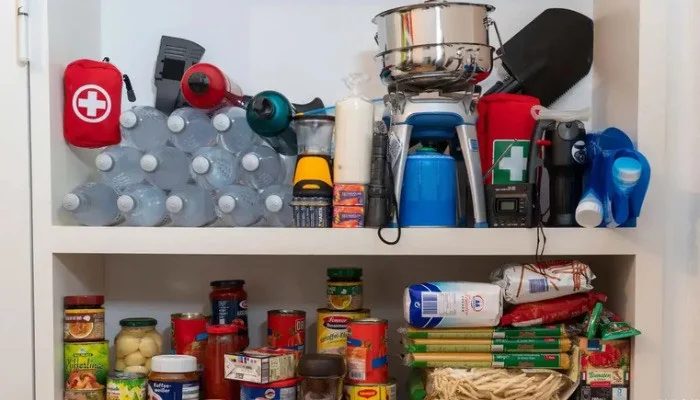
Government authorities worldwide urged citizens on November 17, 2026, to stockpile food, water, and essential supplies to prepare for unpredictable, overlapping modern threats.
- The UK launched the "Be Ready" campaign on October 22, 2026, advising citizens to maintain a three-day supply of necessities.
- European nations including France, Ireland, and the Netherlands currently recommend that households keep 72-hour emergency kits.
- Security Minister Dan Jarvis stated that small individual preparations help emergency services manage crises more effectively.
Global Emergency Preparedness Policies
Modern societies face complex, overlapping risks ranging from climate-driven natural disasters like floods and wildfires to cyberattacks and infrastructure failures. These events often disrupt electricity, water, and transportation services for extended periods. To mitigate these risks, the United Kingdom introduced its "Be Ready" campaign on October 22, 2026. The program encourages residents to store a three-day supply of food and water. Security Minister Dan Jarvis advised citizens to join the Priority Services Register and keep canned goods to reduce pressure on emergency responders during outages.
Britain joined several European neighbors in adopting these guidelines. France, Ireland, and the Netherlands already recommend that citizens maintain 72-hour kits. French authorities describe the first three days of a crisis as decisive, instructing residents to pack go-bags with important papers, extra keys, and entertainment while monitoring official broadcasts. Germany suggests that citizens store enough supplies for 10 days, though current data shows fewer than half of German households meet even a three-day threshold.
Regional Strategies and Risks
Preparation levels vary significantly across the globe. In Nordic countries, the Russian invasion of Ukraine prompted intensified readiness efforts. Sweden advises its citizens to store supplies for one week and provides instructions on waste disposal and berry cultivation. The United States recommends one gallon of water per person per day, while Australia suggests maintaining supplies for three to seven days. India includes specific items like ropes and chlorine tablets in its recommendations and conducts evacuation drills twice a year.
The UK campaign triggered an immediate market response, with sales of tinned meat rising by 43 percent. However, experts cautioned against stockpiling frozen foods or pulses that require cooking, noting that these items pose risks during power outages. Officials emphasized that the goal of these programs is not to cause alarm but to ensure everyday readiness. By preparing for blackouts or payment system failures, communities can prevent minor disruptions from escalating into wider crises and support one another when essential systems fail.