
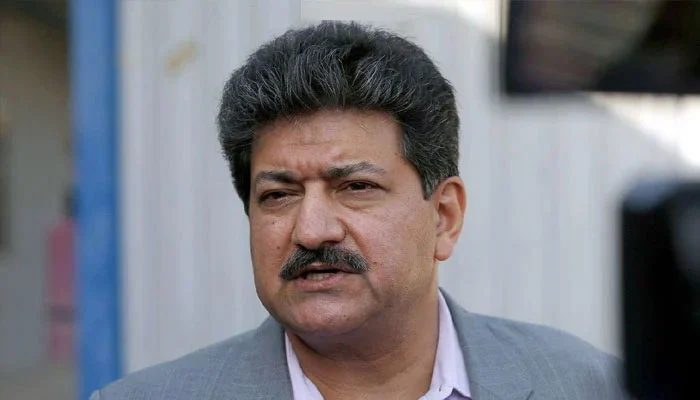
Pakistani journalist Hamid Mir was listed among the World's 500 Most Influential Muslims on November 15, 2026.
- He began his journalism career in 1987 with Daily Jang.
- He hosted the political talk show "Capital Talk."
- He received the Hilal‑i‑Imtiaz and the SAARC Lifetime Achievement Award.
Hamid Mir started his professional life at Daily Jang in 1987. He wrote political columns and reported on national events, quickly gaining a reputation for thorough research and clear prose. Over the years he moved to other newspapers, but his first byline remained a milestone that marked the beginning of a multi‑decade career.
Mir transitioned to television and began hosting the political talk show "Capital Talk." He led the program for several years, inviting politicians, analysts, and activists to discuss current affairs. The show aired on a major Pakistani news channel and attracted a wide audience across the country.
Throughout his career Mir maintained a fearless approach to reporting. He advocated openly for press freedom and human rights, which placed him at odds with powerful interests. He survived two assassination attempts and endured multiple television bans imposed by authorities. Despite these setbacks, he continued to appear on air and wrote columns that challenged censorship.
After the September 11 attacks, Mir secured a rare interview with al‑Qaeda founder Osama bin Laden. The interview took place in a remote location and was broadcast worldwide, giving the public a direct glimpse of the terrorist leader's perspective. This exclusive conversation added to Mir's international profile.
Mir's contributions earned him several high‑profile honours. The Pakistani government awarded him the Hilal‑i‑Imtiaz, the country's second‑highest civilian award. He also received the SAARC Lifetime Achievement Award for his impact on regional journalism. In November 2026, an international organization named him among the World's 500 Most Influential Muslims, acknowledging his influence on media and public discourse.
Hamid Mir's career spanned more than three decades, during which he shaped political debate, confronted threats, and earned both national and international accolades. His story illustrated the challenges faced by journalists in Pakistan and highlighted the importance of steadfast commitment to truth.