
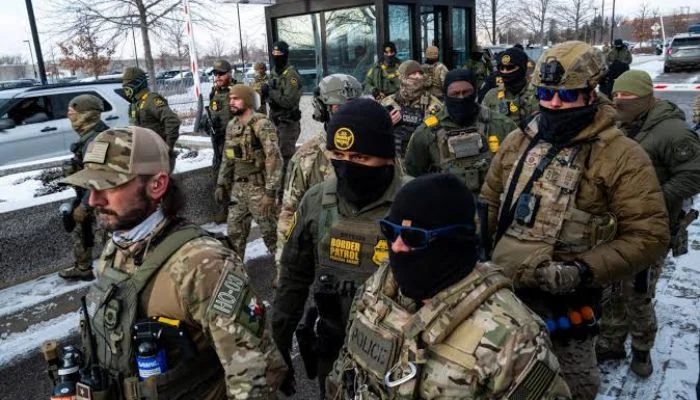
A leaked watchdog report revealed on November 22, 2026, that U.S. Immigration and Customs Enforcement officials completed weeks of training in as little as two hours.
- At least five ICE officials finished weeks of training in two hours.
- Over 3,500 recruits completed their required instruction virtually instead of in-person.
- Required training hours for new recruits dropped from 543 to 300.
ICE Training Standards
The 19-page draft report detailed significant shortcuts taken during the preparation for President Donald Trump's mass deportation campaign. More than 3,500 new recruits with prior law enforcement experience bypassed the traditional month-long in-person program in favor of virtual modules. Data indicated that 80 percent of these individuals finished the course within 10 days, while more than 10 percent completed the entire curriculum in less than 24 hours. At least five officials finished the required weeks of training in only two hours.
Investigators discovered that ICE removed the two-attempt limit for the qualifying examination. This policy change allowed one officer to pass the test only after 32 attempts. These modifications occurred between August 2025 and July 2026, during which nearly 6,000 officers underwent the reduced training regimen.
Recruit Instruction Cuts
The agency reduced required instruction for more than 2,000 recruits who lacked previous law enforcement experience. Training hours fell from 543 to approximately 300. These cuts specifically impacted lessons on firearms, arrest procedures, and driving. One instructor described the revised system as a "catastrophic failure." The watchdog also surveyed officials responsible for overseeing on-the-job training, with nearly 90 percent of respondents labeling the program unsuccessful.
The Department of Homeland Security stated that many recruits already held credentials from law enforcement academies and were only receiving supplemental training. While current DHS Secretary Markwayne Mullin restored stricter requirements in July, investigators noted that significant gaps persist for those who trained under the earlier, shortened guidelines. The report remains in draft form and has not received a formal release.