
Three days after the US Army detonated nearly 10,000 pounds of lead azide in Iowa, authorities released encouraging results.
- EPA found no lead in 38 water samples.
- Air monitoring detected no lead for 30 hours.
- Senator‑elect Josh Turek demands full investigation.
EPA Findings
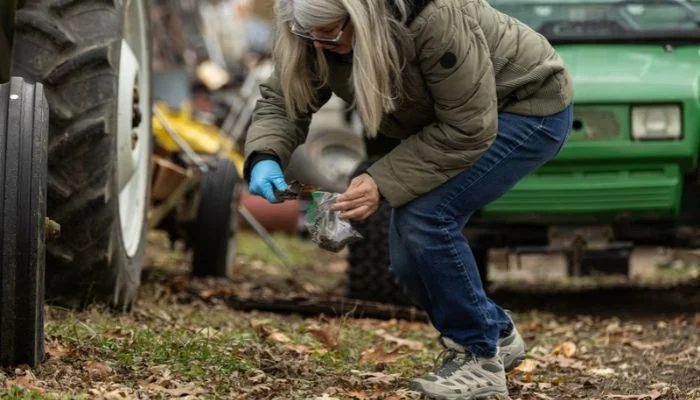
The Environmental Protection Agency examined 38 water samples from public supplies and found no detectable lead.
Air monitoring equipment recorded no airborne lead for 30 consecutive hours after the Wednesday detonation.
The agency collected more than 3,200 samples of air, water, soil and dust before and after the explosion.
Samples came from schools, playgrounds, churches, homes and agricultural land across the state.
The explosion forced many residents to spend Thanksgiving away from their homes.
Community Concerns
Despite the findings, residents remain concerned about potential long‑term effects.
The stockpile was transferred to Iowa in 2009, when some material was already over 60 years old.
Senator‑elect Josh Turek demanded a full investigation into the circumstances that led to the operation.
Some residents are arranging independent laboratory tests of soil from their properties.
Lead exposure can interfere with children's brain development, and lead does not break down in the environment.
Future Tests
EPA will release further laboratory results in the coming days, including soil, household dust and tap water findings.
The agency said it had monitored air, water, soil and dust for weeks before and after the detonation.
Officials noted that the 30‑hour period without airborne lead suggested the explosion did not disperse lead into the atmosphere.
The EPA's data also showed that none of the 38 water samples tested contained lead above safe limits.
The investigation will continue as the agency prepares to publish detailed soil and dust analyses.
The detonation occurred on Wednesday, November 27, 2026, as part of a test conducted by the US Army.
The explosion released a plume of dust that was monitored by sensors placed at 12 locations across the county.
Officials said the sensors detected no lead particles above background levels during the 30‑hour monitoring window.
The EPA's report also highlighted that lead does not degrade in the environment, making long‑term monitoring essential.