
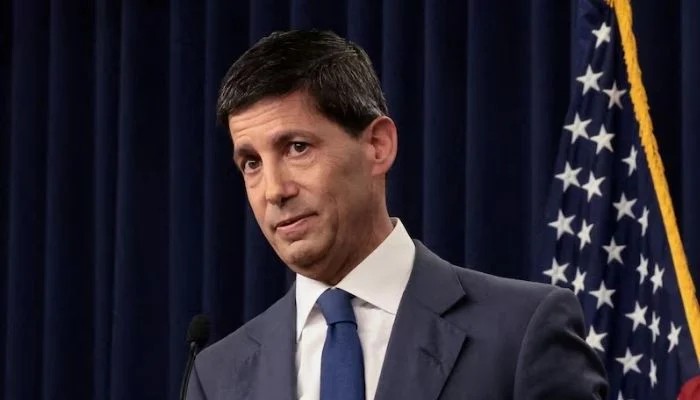
Federal Reserve Chairman Kevin Warsh used his first major Jackson Hole speech to send a clear warning to markets: the US central bank is not satisfied with the pace of inflation and could raise interest rates if price pressures remain too high. Warsh did not announce a rate hike for September, but his comments made clear that another increase remains on the table, a message that immediately pushed up expectations for a possible hike at the Fed's September 15-16 meeting.
The Fed's preferred inflation gauge, the personal consumption expenditures price index, rose 3.7% over the 12 months through July, well above the central bank's 2% target. Warsh said recent inflation readings were better than expected, but he did not believe they showed a meaningful improvement in the underlying trend. He pointed to another figure that caught investors' attention: 54% of goods and services in the PCE basket recorded price increases above 3% over the past year. That is down considerably from the inflation surge following the pandemic, but still far above the pre-pandemic norm.
Warsh's message was straightforward: the Fed needs to be confident that inflation is moving toward 2% "clearly and at sufficient speed." "Otherwise, we have work to do," he said. Warsh deliberately stopped short of giving markets a timetable for another rate move, but his comments made a September increase look considerably more plausible. Before his speech, traders had put the probability of a September hike at roughly 35%. That jumped to nearly 60% after he spoke, according to market pricing reported Friday. The next Fed meeting is scheduled for September 15-16.
Warsh's argument is that the economy does not currently look weak enough to make lower rates an obvious choice. He said the economy appears to have strengthened, business investment is rising rapidly and the labour market remains relatively stable. Warsh said he was "impressed" by the overall performance of the economy and pointed to strong business investment and corporate profits. Equipment and intangible investment has been growing at around 9% over four quarters, while profits among S&P 500 companies have risen more than 20% over the past year, according to his speech. More than half of this year's capital expenditure growth may be linked to AI-related investment.
The labour market also remains fairly stable. Warsh pointed to a 4.1% unemployment rate and said the labour market was broadly consistent with full employment, leaving inflation as the Fed's main concern for now. Artificial intelligence was another major part of Warsh's speech. He said AI could become a major new factor in the US economy and potentially lead to substantially higher productivity and economic growth. He pointed to the enormous amount of money being poured into AI infrastructure and said the technology is developing faster than even many of its supporters expected. But he also acknowledged that the Fed does not yet know how AI will ultimately affect workers, productivity, investment or the structure of the economy. One of the biggest questions is whether AI will complement workers or replace some of their jobs. Warsh said the Fed has created a task force focused on productivity and jobs to study those questions, which could prove to be one of the biggest changes of his chairmanship.