
- Interior Minister Mohsin Naqvi described the current governance system as a failure.
- Planning Minister Ahsan Iqbal called for administrative reform and stronger local governments.
- The government denied drafting a constitutional amendment to create new provinces.
The map is not the machinery
نئے انتظامی یونٹس کا قیام: وفاقی حکومت کی جانب سے عوامی رائے لینے کی تجویز
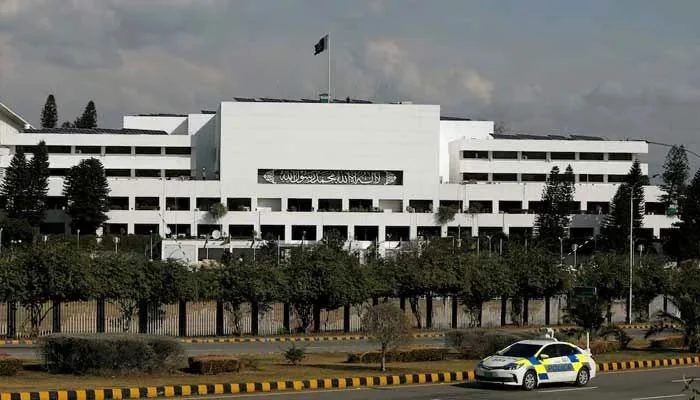
Interior Minister Mohsin Naqvi proposed seeking public opinion on new administrative units on November 18, 2026, as the debate over creating new provinces returned to Pakistan's political agenda.
- وفاقی وزیر داخلہ محسن نقوی نے 18 نومبر 2026 کو نئے انتظامی یونٹس کے قیام کے حوالے سے عوامی رائے لینے کی تجویز پیش کی ہے، جس کے بعد پاکستان میں نئے صوبوں کی تشکیل کا دیرینہ مطالب...
- اس معاملے پر حکومتی موقف تاحال غیر واضح اور متضاد دکھائی دیتا ہے۔
- وزیر منصوبہ بندی احسن اقبال نے انتظامی اصلاحات کی وکالت کرتے ہوئے اس بات پر زور دیا ہے کہ مقامی حکومتوں کو بااختیار بنانا ناگزیر ہے۔
انتظامی یونٹس کے قیام پر بحث
اختیارات کی نچلی سطح پر منتقلی کی تاریخ
مستقبل کی حکمرانی کے اصول
فوجی ادوار، بالخصوص جنرل پرویز مشرف کے 2001 کے نظام میں مقامی حکومتوں کو فروغ دیا گیا، لیکن ان پر تنقید کی جاتی رہی کہ وہ حکومتی سیاسی مفادات کے لیے استعمال ہوئیں۔ فوجی حکومت کے خاتمے کے بعد ان نظاموں کو ختم کر دیا گیا۔
سال 2010 میں منظور کی گئی 18ویں ترمیم میں یہ لازمی قرار دیا گیا تھا کہ ہر صوبہ مقامی حکومت قائم کرے اور اختیارات نچلی سطح پر منتقل کرے۔ 16 سال گزرنے کے بعد بھی آئینی وعدے اور شہریوں کے روزمرہ تجربے کے درمیان ایک وسیع خلیج موجود ہے۔
صوبائی خودمختاری کا مطلب خود بخود یہ نہیں تھا کہ صوبوں کے اندر بھی اختیارات نچلی سطح پر منتقل ہوں گے۔ نتیجتاً، صوبائی حکومتیں اکثر وہی مرکزیت پسندانہ رویے اپناتی ہیں جن پر وہ وفاقی سطح پر تنقید کرتی ہیں۔
نئے صوبوں پر بحث کے دوران اس بات کا تعین ضروری ہے کہ آئینی انتظامات میں ذاتی مفادات کے بجائے عوامی اعتماد اور نمائندگی کو ترجیح کیوں دی جانی چاہیے۔ اگر نیا صوبہ صرف اقتدار کا مرکز ایک شہر سے دوسرے شہر منتقل کرنے کا نام ہے، تو یہ موجودہ مسائل کو چھوٹے پیمانے پر دوبارہ پیدا کرے گا۔
کسی بھی تجویز کو آبادی، جغرافیہ اور خدمات کی فراہمی کے شواہد کی روشنی میں پرکھا جانا چاہیے۔ حکومت کو نئے یونٹس کا مقصد واضح کرنا ہوگا اور یہ بتانا ہوگا کہ ہر یونٹ کے پاس کیا اختیارات اور وسائل ہوں گے۔
عوامی رائے لینے سے قبل ایک تفصیلی بلیو پرنٹ شائع کرنا ضروری ہے۔ حدود، اثاثوں اور مالیات کے بارے میں شفافیت کے بغیر، کوئی بھی مشاورت شہریوں کو ایک فعال ڈھانچے کے بجائے محض ایک لیبل کی حمایت کرنے پر مجبور کرنے کے مترادف ہوگی۔