
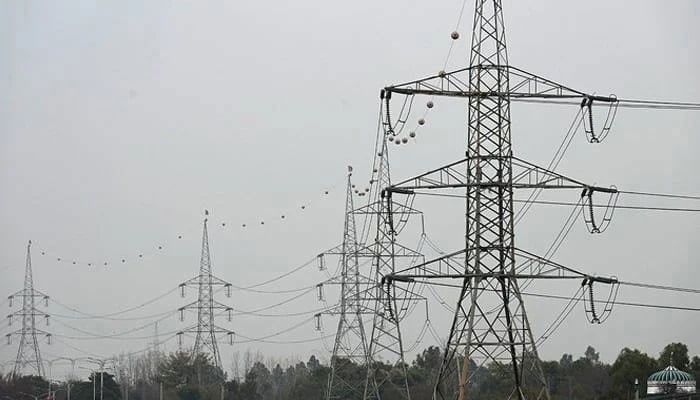
Pakistan has launched its first-ever electricity wheeling auction, offering 400 megawatts of power in the initial phase as the government begins shifting from a centralised electricity procurement model toward competitive trading between producers and large consumers. The Power Division has invited proposals under the Competitive Trading Bilateral Contract Market (CTBCM) framework, with a total of 800 MW planned to be auctioned over the next five years. The initial 400 MW will be offered for competitive procurement.
Federal Energy Minister Sardar Awais Ahmad Khan Leghari described the launch as a major milestone in power-sector reform, saying the government was beginning to withdraw from its traditional role as the central buyer of electricity. "The government is practically moving out of electricity procurement from today," Leghari said while announcing the auction process. He said the new mechanism would allow power producers and consumers to enter into electricity purchase and sale arrangements directly, subject to the market framework, rather than relying solely on the government's centralised procurement system.
"The government would neither have the right to sell electricity nor would it purchase electricity from power producers in the traditional manner," he said. The first phase will focus on industrial and large consumers, particularly those using more than one megawatt of electricity. The government plans to gradually expand competitive electricity trading to a broader segment of consumers.
"Those who generate electricity and those who consume it will be able to buy and sell electricity directly," the minister said, stressing that the new mechanism would promote transparency and competition. Leghari said greater access to competitively priced electricity could help Pakistani industries reduce energy costs, improve their competitiveness in international markets and expand exports. He said the centralised procurement model had long attracted questions over the terms and conditions under which electricity was purchased and supplied to consumers.
The minister also linked the new system to broader reforms aimed at making electricity procurement and trading more transparent, saying the government was moving ahead with its commitments to restructure the power sector. He said the competitive market would eventually give consumers greater choice over their electricity suppliers, with the long-term objective of allowing even ordinary consumers to choose how they purchase electricity.