
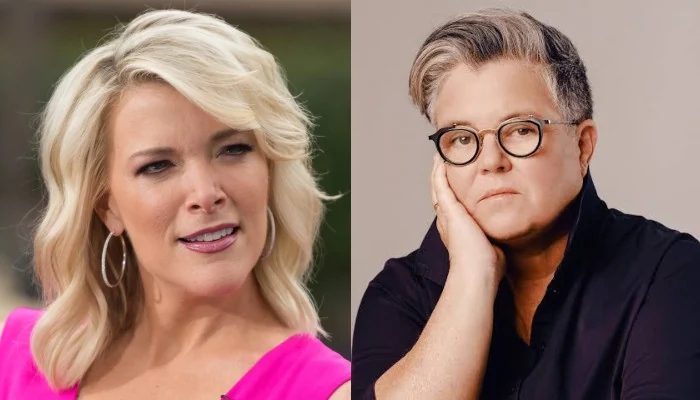
Rosie O'Donnell has hit out at Megyn Kelly after the broadcaster defended Russell Brand and called his prison sentence an "outrage." Brand was sentenced on Monday to 10 and a half years in prison for rape and three counts of sexual assault. The offences took place between 2004 and 2009 and involved four women.
On the 9 November episode of The Megyn Kelly Show, Kelly criticised the punishment. "Ten and a half years in prison," she said.
She described the sentence as "insane," suggested the case was a political witch hunt, and questioned whether his conduct warranted such a term. After playing a clip of the judge's remarks, she said the judge "clearly didn't like Russell, and neither does the press." O'Donnell replied beneath a Threads post quoting Kelly with a blunt four-word rebuke.
The response was praised by some social media users. Commenters on Reddit's r/Fauxmoi applauded O'Donnell for speaking bluntly, with one saying they admired her willingness to "go for the throat." Brand was convicted last week after a trial at Southwark Crown Court.
He has denied all the allegations. The controversy highlights the ongoing divide in media circles regarding high-profile sexual assault cases.
While Kelly maintains that the judicial process was biased, O'Donnell and other critics argue that the severity of the crimes justifies the lengthy prison term. Legal experts have noted that the evidence presented during the trial was substantial, leading to a unanimous verdict from the jury.
The judge's sentencing remarks emphasized the impact on the victims and the breach of trust involved in the incidents. As the debate continues, social media platforms remain a battleground for public opinion.
Supporters of O'Donnell argue that dismissing the court's decision undermines the justice system, while Kelly's audience continues to engage with her critique of the legal proceedings. The case has drawn significant international attention, with various media outlets analyzing the implications of the verdict.
For now, Brand remains in custody as his legal team prepares for potential appeals, though the path forward remains uncertain. Public discourse surrounding this case shows no signs of slowing down, as both sides of the argument remain deeply entrenched in their positions.
The clash between O'Donnell and Kelly is merely the latest chapter in a broader cultural conversation. Observers suggest that the intensity of these reactions reflects the broader societal tensions regarding accountability and the role of the media in shaping public perception of criminal justice outcomes.