
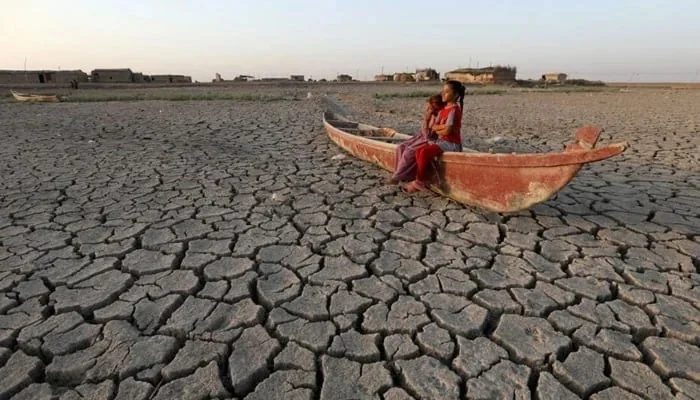
Pakistan Meteorological Department warned Sindh, Balochistan and southern Punjab of worsening drought during winter, issuing a Drought Watch on Friday.
- Persistent rainfall shortages since July 1, 2026.
- Sindh recorded 61 % below‑normal rainfall in July.
- Winter outlook predicted normal to below‑normal precipitation.
Drought Watch Issued
The National Drought Monitoring and Early Warning Centre of the Pakistan Meteorological Department (PMD) released a Drought Watch on Friday. It advised provincial governments and relevant authorities to take precautionary measures against emerging mild drought conditions. The centre clarified that the advisory did not declare a drought emergency.
Rainfall Deficits
Since July 1, 2026, Sindh, Balochistan and southern Punjab had experienced persistent rainfall shortages. Sindh recorded 61 % below‑normal rainfall in July, 22 % in August and 90 % in September. In October, the province suffered a 100 % rainfall deficit, followed by a 99 % shortfall during the first 20 days of November. Balochistan recorded deficits of 41 % in July, 12 % in August, 68 % in September, 80 % in October and 79 % during November 1‑20. Punjab showed above‑normal rainfall in July and October, yet its southern parts remained vulnerable to prolonged dry spells and declining soil moisture.
Impact on Agriculture
Monsoon rains between July and September had been a crucial source of precipitation for these regions. The failure to receive adequate rainfall created a cumulative deficit that left agricultural lands and water resources increasingly fragile. Meteorological officials noted that the number of consecutive dry days had risen across southern Pakistan, indicating extended periods without meaningful rainfall. The combination of prolonged dry spells and accumulated shortages could reduce soil moisture, increase evaporation, and limit water availability for both agriculture and domestic use. Rain‑fed agricultural areas and regions already facing water‑resource constraints were identified as particularly vulnerable.
Winter Outlook
The PMD's outlook for December 2026 to February 2027 indicated a likelihood of normal to below‑normal precipitation across Sindh, Balochistan and southern Punjab. Winter rainfall plays a vital role in replenishing soil moisture, supporting Rabi crops and improving water availability. Insufficient winter rainfall could prevent the natural recovery of soil moisture, especially in rain‑fed areas of Sindh, and could increase agricultural water stress, adversely affect crop growth and development, and place additional pressure on surface water and groundwater resources.
Preparedness Measures
The advisory called upon provincial administrations to monitor the evolving drought situation through district coordination committees and activate early warning systems to inform communities about potential risks. Authorities were urged to identify vulnerable communities and prepare lists of people requiring assistance so that targeted support could be provided promptly if conditions deteriorated. The PMD recommended water‑conservation measures at farm and community levels, including efficient irrigation methods, mulching and careful use of available water resources. It also called for district‑level drought assessments, updated maps of livestock movement and water sources, and arrangements for veterinary services and animal feed to protect livestock and the livelihoods of dependent communities.
The Drought Watch was circulated to federal ministries, the National Disaster Management Authority, provincial chief secretaries, irrigation and agriculture departments, and provincial disaster management authorities for necessary preparedness measures. The PMD announced that the next assessment would be issued on December 5 through its monthly drought bulletin.